
Correction: the title and content of this article have been updated to reflect that other modes of epinephrine delivery, in addition to auto-injectors, are covered by this legislation as well.
A new healthcare mandate to increase the affordability of life-saving allergy medication took effect in New York on January 1, 2026. The law requires health insurers statewide to cover medically necessary epinephrine devices while strictly limiting patients’ financial burden. This measure is part of a broader package of affordable healthcare laws championed by state leaders to ensure that essential medical tools remain accessible to all residents, regardless of income.
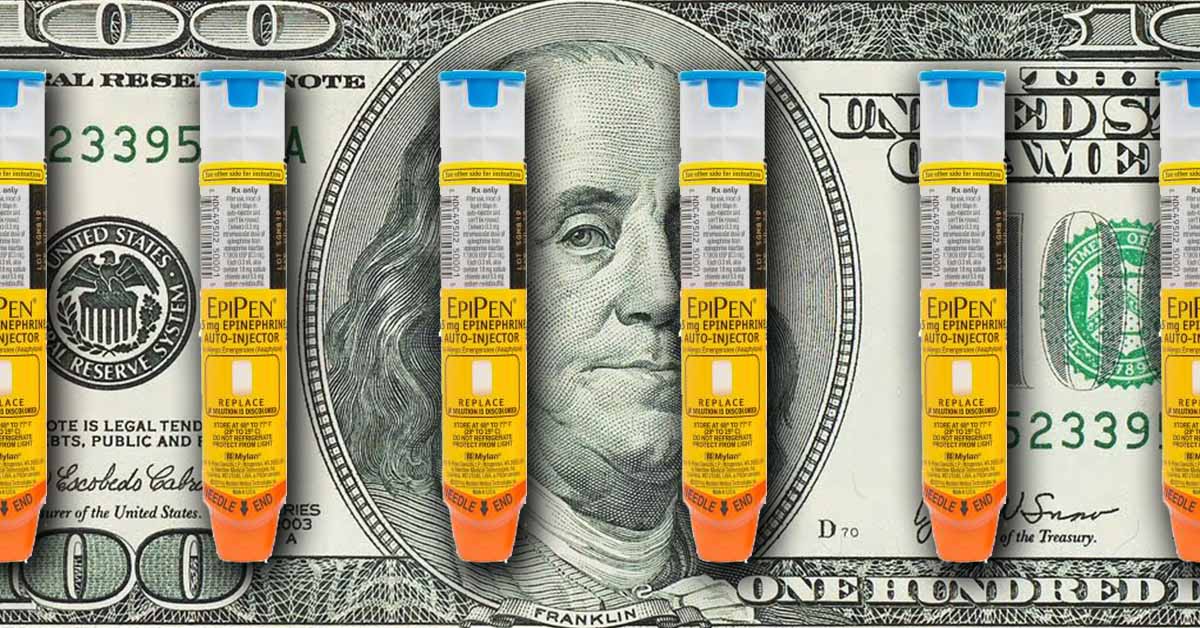
Under the new regulations, out-of-pocket costs for a year’s supply of epinephrine are now capped at $100 for insured individuals. This cap is a significant shift for families who previously faced skyrocketing prices for the devices, which often retail for over $600 per two-pack. Because epinephrine auto-injectors have a short shelf life and typically expire within a year, the recurring cost has historically been a major financial strain for those living with severe allergies.
Governor Kathy Hochul emphasized the moral necessity of the legislation, stating, “New Yorkers shouldn’t have to choose between putting food on the table or being able to afford life-saving medical devices and procedures.” She noted that the law is designed to allow individuals to focus on their well-being rather than the “financial burdens tied to treatments.” The Governor’s office highlighted that the cost of these devices has increased by approximately 600% since 2007, far outpacing inflation.
State Senator Gustavo Rivera, a primary sponsor of the bill, expressed pride in the law’s implementation, noting its potential to prevent tragedies. “It is unacceptable that so many people are forced to risk not having the device during a life-threatening emergency due to prohibitive costs,” Rivera said. He drew parallels to previous state efforts to cap the cost of insulin, asserting that access to life-saving medication “should not be based on income level.”
While the law provides broad relief, there are specific nuances regarding its application. The $100 cap applies to individual and group health insurance plans, including HMOs and non-profit insurers. However, a clarifying measure enacted in 2025 stipulates that for those with high-deductible health plans (HDHPs), the cap may only apply after the plan’s annual deductible has been met, ensuring the state remains in compliance with federal IRS guidelines regarding Health Savings Account (HSA) eligibility.
In addition to the epinephrine mandate, the New Year brought several other healthcare protections to New York. These include requirements for insurers to cover breast cancer screenings and diagnostic imaging, such as MRIs and ultrasounds, without cost-sharing. Another new law requires coverage for scalp cooling systems used during chemotherapy to help prevent hair loss. Together, these reforms represent what Assemblymember Daniel O’Donnell described as a commitment to ensuring “financial means should never be a barrier to life-saving healthcare.”
Does your state limit out-of-pocket costs for epinephrine and other life-saving medications? Contact your legislators and demand that they do.
- New York law that requires health insurers to cover EpiPens goes into effect Jan. 1 — State of Politics
- New year, new laws: Hochul announces affordable health care laws going into effect Jan. 1 — Niagara Frontier Publications
- Legislative Clarification on Deductibles and HSAs — NYS Senate Bill S760 (2025 Amendment) — New York State Senate