
A fundamental shift has occurred in how Walt Disney World manages guest safety and dining logistics. For decades, Disney has been hailed as the “gold standard” for allergy-friendly travel, largely because of a robust Advance Dining Reservation (ADR) system that let families flag life-threatening allergies months before setting foot in a park.
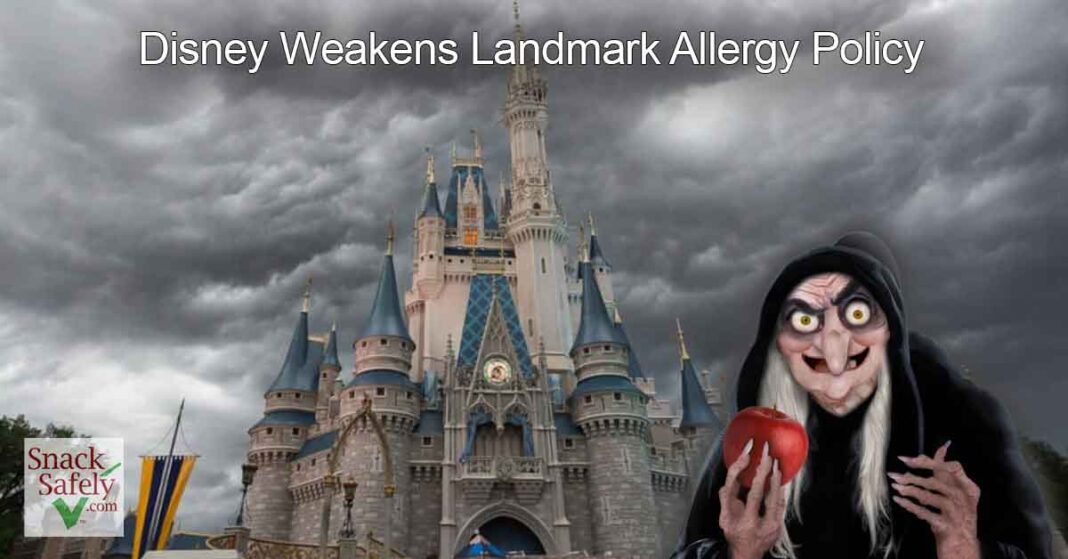
However, recent updates to the My Disney Experience app and the official website have effectively dismantled the proactive notification system, replacing it with a “reactive” model that places the full burden of safety on the guest at the time of arrival.
The most immediate change noticed by guests is the total disappearance of the allergy and dietary request fields during the digital booking process. Previously, when a guest reserved a table at a location like Cinderella’s Royal Table or Be Our Guest, they could select specific allergens (such as peanuts, shellfish, or gluten) from a checklist.
According to reports from Inside the Magic, this section has been entirely scrubbed. “The booking flow simply skips that step entirely, moving directly from party size and dining time to confirmation without any opportunity to note dietary restrictions,” the report states. In its place is a static notification informing guests that they must now handle these requests in person.
Accompanying this procedural shift is a significant update to Disney’s legal disclaimers. The new language introduced suggests a more cautious approach to liability. The Disney Food Blog highlighted the new mandatory prompt that guests must acknowledge:
“Guests must notify their server about any allergen-friendly requests. While we take steps to help mitigate cross-contact, we cannot guarantee that any item is completely free of allergens.”
Furthermore, Disney has added specific warnings regarding the ingredients used in their “safe” recipes, noting that “our allergy-friendly recipes may use refined oils, such as soybean oil, and/or ingredients that are processed in facilities that also process allergens.”
This shift from a “guarantee” of safety to a “reasonable effort” to accommodate is a nuanced but critical change for those with food allergies. As Inside the Magic notes, “This disclaimer, while legally protective for Disney, may heighten anxiety for guests who have come to trust Disney dining as exceptionally safe.”
For the food allergy community, the removal of advance notice is not merely a digital inconvenience; it is a logistical hurdle. Under the previous system, chefs and “Special Diets” teams received a manifest of upcoming guests with restrictions, allowing them to prepare safe alternatives or ensure specific ingredients were in stock before the morning rush.
Under the new rules, the interaction begins only when the guest is seated. Disney now instructs: “For more information about allergy-friendly requests… please ask to speak with our special diets-trained personnel upon arrival at the location.”
This change implies several real-world consequences for guests:
- Increased Wait Times: Meals that were previously planned in advance must now be coordinated in real-time between the server, the chef, and the guest.
- In-Person Advocacy: Guests must be prepared to have detailed, high-stakes conversations in a noisy, high-pressure restaurant environment.
- Limited Availability: Without advance notice, kitchens may not have specific substitutes (like egg-free pasta or dairy-free desserts) ready to go, potentially limiting the options available to the guest.
Despite the removal of the digital checklist, Disney’s allergy infrastructure remains. The “Allergy-Friendly” sections at the bottom of digital menus—available in the My Disney Experience app—remain a vital resource. These menus list items generally considered safe for the “Top 9” allergens.
Experts recommend that guests carry physical “chef cards” or documentation to comply with the new in-person requirement. As the Disney Food Blog emphasizes, “With this change, it’s even more important to speak with your server about your dietary needs.”
The industry is closely watching how this affects Disney’s reputation. For many families managing multiple severe allergies, the ability to “set it and forget it” during the booking process was the primary reason they chose Disney over other vacation destinations.
By shifting to a model that emphasizes guest discretion and in-person communication, Disney is aligning itself more closely with standard restaurant industry practices—a move some advocates fear could signal the end of the “extra mile” service that once defined the Disney dining experience.
The message from Disney is clear: The kitchen is still ready to help, but the conversation begins only when you arrive at the table.
- Report: Disney Alters Allergy Policy for All Guests, Health Implications at Hand — Inside the Magic
- The Disney World App Just CHANGED Dining Reservations — The Disney Food Blog