
[Trigger Warning]
An inquest into the 2021 death of 17-year-old James Tsindos has concluded with findings that highlight critical “missed opportunities” in his medical treatment. James, a talented senior high school student at Brighton Grammar, died after consuming a vegan burrito bowl ordered via Deliveroo that contained cashew sauce, underscoring gaps in allergen communication and labeling despite his known nut allergy. While Victoria Coroner Sarah Gebert stopped short of declaring the death entirely preventable, her report points to significant gaps in how anaphylaxis is recognized and managed within the hospital system.
The tragic sequence of events began on May 27, 2021, when James experienced rapid-onset of symptoms, including swollen lips and abdominal cramps. After receiving two doses of epinephrine from paramedics at his home, he initially appeared to stabilize and was transported to Holmesglen Private Hospital. However, upon arrival, James reported feeling “wheezy” and used his asthma inhaler repeatedly. This was a critical warning sign that may not have been fully recognized as ongoing anaphylaxis, including the possibility of a biphasic reaction.
A central finding of the inquest was the incorrect triage of James as a “category 3” patient, which allows for a longer window before treatment, rather than “category 2,” which requires more urgent care. Expert testimony described this moment as a “sliding doors” point in his treatment, signaling potential deterioration that warranted immediate reassessment. Evidence presented to the court suggested that earlier administration of additional epinephrine would likely have improved his chances of survival.
Coroner Gebert expressed her profound regret to the Tsindos family, noting the difficulty in reaching a definitive conclusion due to conflicting expert opinions on whether the outcome could have been changed. “I express my regret to the family that I am not able to do so,” she said, referring to a finding of absolute preventability. Nevertheless, she was clear that earlier intervention represented a missed opportunity to alter the course of events.
In response to the tragedy, the coroner issued a series of formal recommendations aimed at strengthening allergy safety and emergency care protocols. These include improving communication between paramedics and hospital triage staff, refining triage guidelines, and updating clinical guidance for patients presenting with both asthma and severe allergies. The findings also highlight the risks associated with foods that use nut-based substitutes, such as cashew products, which may not always be clearly identified or understood by consumers.
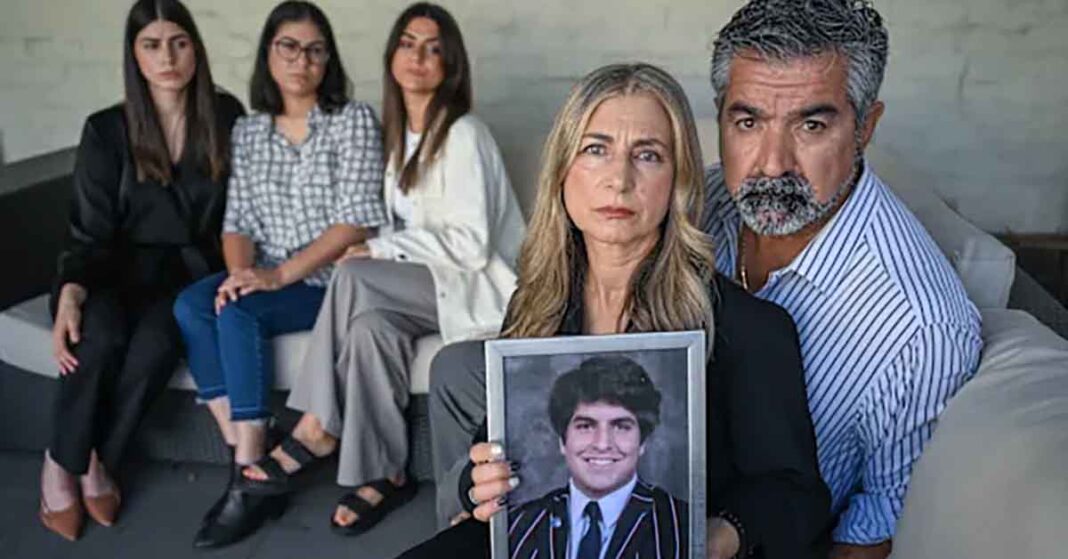
The family’s legal representative, Shari Liby, spoke outside the court, describing James’s death as a tragedy that has “shattered” his loved ones. In a statement, the family expressed hope that the inquest findings would lead to meaningful change. “We, like the coroner, hope that the terrible circumstances of James’s death can be used to keep other patients safe in the future,” they said, noting that the recommendations help ensure his death will not be in vain.
James is remembered by his community as a talented and ambitious young man with a bright future ahead. By highlighting the dangerous intersection of delayed treatment and allergen exposure, the inquest findings serve as a sobering reminder of the vigilance required to protect those living with life-threatening allergies.
We sincerely hope the Tsindos family can achieve some measure of closure after the conclusion of the inquest into the tragedy that took James.
This case underscores several critical lessons for families managing food allergies:
- Epinephrine first, always: Wheezing or breathing difficulty after an allergic reaction should be treated as anaphylaxis until proven otherwise, not just asthma. When in doubt, administer epinephrine.
- Watch for biphasic reactions: Symptoms can return after initial treatment—even if your condition seems to improve. Continued monitoring and readiness to act are essential.
- Communicate clearly at every step: Make sure emergency responders and hospital staff are aware of both food allergies and asthma history, and emphasize when symptoms feel different from a typical asthma episode.
- Don’t rely on assumptions about food: Vegan or “plant-based” foods often use nut-based substitutes like cashew. Always verify ingredients and ask detailed questions.
- Don’t rely on food delivery apps to relay your allergen concerns: There is no guarantee that the restaurant staff will see and act on them. Always follow up by calling the restaurant directly and speaking with management.
- Advocate in medical settings: If symptoms persist or worsen, speak up. Parents and patients are often the first to recognize when something isn’t right.