
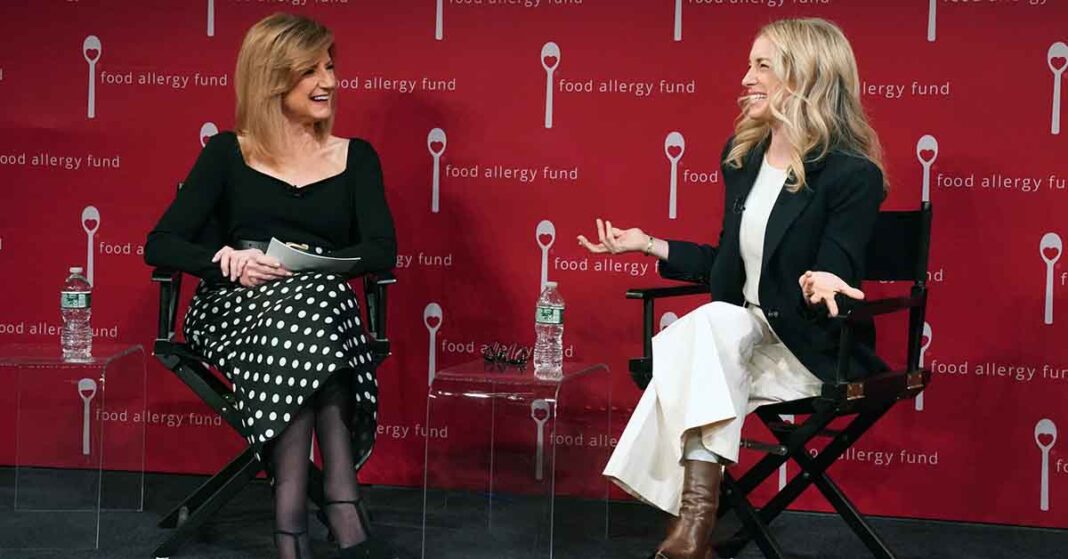
The landscape of food allergy care is shifting from reactive management to proactive intervention. At the annual Food Allergy Fund (FAF) Summit, held at the Paley Center for Media, a coalition of scientists, tech innovators, and advocates unveiled breakthroughs ranging from AI-powered “early warning systems” to the repurposing of existing FDA-approved drugs.
With food allergies now affecting 1 in 13 children and 1 in 10 adults in the US, the urgency for faster clinical solutions has never been higher.
AI: Detecting Anaphylaxis Before Symptoms Appear
One of the most significant hurdles in allergy care is the “oral food challenge,” where patients ingest allergens under supervision. These tests are high-stakes, as early signs of anaphylaxis can be subtle.
FAF-funded research conducted at Mount Sinai—utilizing AI software from Anjo.ai—demonstrated that a child’s anaphylactic reaction could be detected in real time using smartwatch-collected data. Remarkably, the AI identified physiological changes before clinical symptoms became visible to the naked eye.
“Our algorithm shows strong preliminary results in identifying allergic reactions earlier… This marks a meaningful step forward in improving the safety and precision of high-risk allergy diagnostics,” said Tal Golan, co-founder and CEO of Anjo.ai.
Accelerating Treatment via Drug Repurposing
Traditional drug development can take decades. To bypass this, FAF’s Drug Repurposing Program is fast-tracking three FDA-approved medications—zileuton, abrocitinib, and metformin—to determine whether they can be used as allergy treatments.
A human clinical trial is underway for zileuton (originally an asthma medication) to determine whether it can block immune signaling in the gut to prevent anaphylaxis.
“We’ve found there is a diverse range of how much allergen is absorbed among different people… this drug could potentially be used ahead of time in higher-risk situations to help reduce the chance of a severe reaction,” explained Dr Stephanie Eisenbarth of Northwestern University.
The Human Element: Supporting the Caregiver
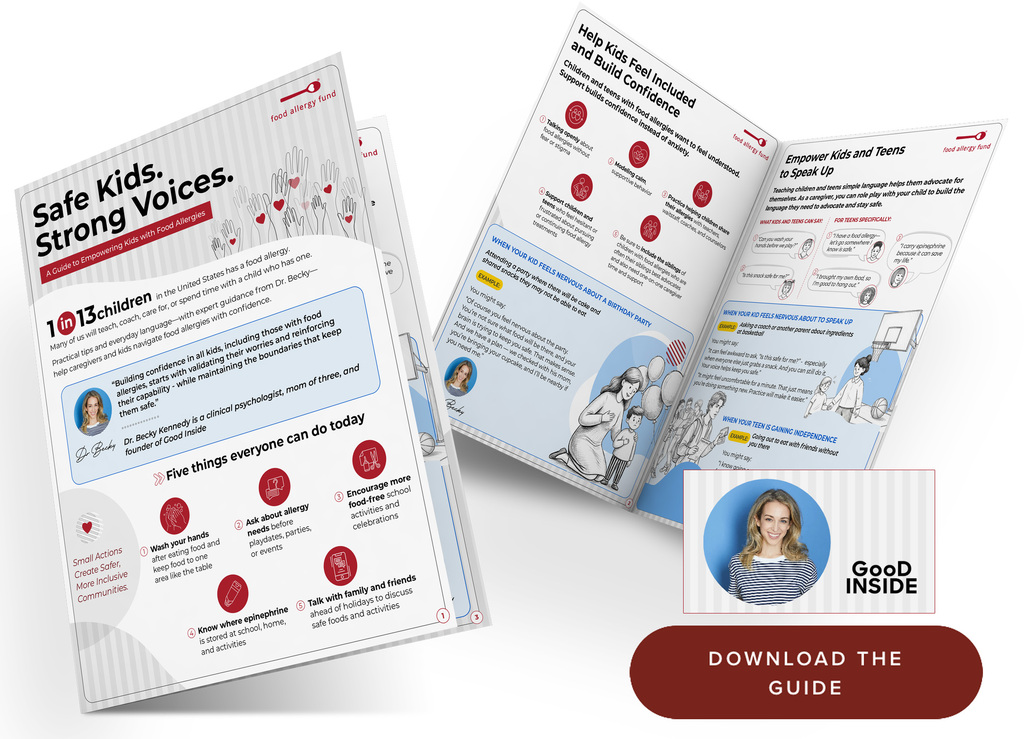
Beyond the lab, the Summit addressed the psychological toll on families. In collaboration with Dr Becky Kennedy (known as “Dr Becky” of Good Inside), FAF debuted Safe Kids. Strong Voices., a free guide designed to help children build self-advocacy and confidence.
In a fireside chat with Arianna Huffington, Dr Kennedy noted the delicate balance parents must strike:
“A parent’s number one job is to keep their kids safe—while also not taking away the chance for their child to build confidence, self-advocacy, and a real sense of capability,” said Dr Becky Kennedy
Bridging the Research Gap
The overarching theme of the Summit was “connection.” Ilana Golant, Founder and CEO of FAF, emphasized that the organization’s primary mission is to unify a historically “fragmented” field to save patient time.
Key Statistics Highlighted at the Summit:
- Emergency Urgency: Someone is rushed to the ER for a food allergy reaction every 3 minutes.
- Complexity: 75% of children with food allergies are allergic to multiple foods.
- Economic Impact: Food allergies carry an estimated $40 billion societal cost.
By bringing together venture philanthropists, biotech leaders, and policymakers, the FAF Summit aims to turn these lab discoveries into real-world care for the 300 million people affected globally.
The Food Allergy Fund is the world’s leading and most impactful funder of research on treatments and a cure for food allergies. Please consider donating.