
Important Note: If you still use Benadryl for reactions, please discuss this article with your allergist.
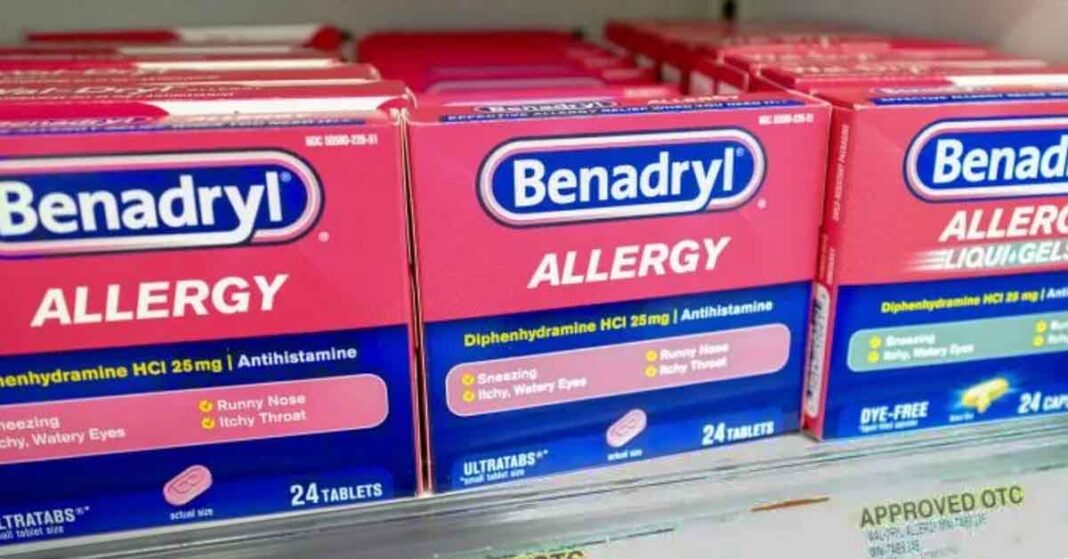
Allergist Dr Anna Wolfson sees the misuse of the allergy medication diphenhydramine — sold under the trade name Benadryl — as a dangerous daily occurrence. She warns against using the drug for severe allergic reactions, stating, “If someone has an allergic reaction to a food, people will say, ‘Don’t worry, I have diphenhydramine in my purse,’ and I would say, ‘Really, epinephrine is the first-line treatment for food allergies.'” According to Wolfson, using diphenhydramine can be harmful because it causes drowsiness, which could mask worsening symptoms.
Wolfson advocates for discontinuing the use of diphenhydramine, arguing that better and safer alternatives exist for every one of its purported uses. “It’s time to move on,” she says. “For every single indication that people are using diphenhydramine, there are better drugs that are more effective at treating the symptoms people are trying to treat with fewer side effects.” She has treated patients whose daily lives have been negatively impacted by the medication’s side effects, noting, “I’ve had patients where I worried that diphenhydramine was impairing their ability to drive or fully participate in their daily lives.”
Wolfson’s perspective is supported by a recent review from allergy experts at Johns Hopkins University and the University of California, San Diego. The review’s authors called for the removal of diphenhydramine from the US market, calling the 1946-approved, first-generation antihistamine outdated and dangerous. Dr James Clark, the lead author of the paper, suggests that patients “should trial alternatives agents like loratadine, which is Claritin, or cetirizine, which is Zyrtec, or fexofenadine, which is Allegra.”
The Consumer Healthcare Products Association, which represents the makers of over-the-counter medicines, including Benadryl, defends the drug. The association states that the product’s common side effects are clearly labeled and that the drug is not intended for long-term use. The group asserts that “when used as directed, these medicines provide well-established therapeutic benefits for common health ailments like allergies, the common cold, motion sickness, minor skin irritations, and occasional sleeplessness.” They also emphasize the importance of following directions and consulting a doctor with any questions.
The main concern with diphenhydramine is that unlike newer antihistamines, it doesn’t just block allergy receptors; it can also impact other parts of the brain. This can lead to side effects like sedation, cognitive impairment, and even cardiac issues. The review highlighted a potential link between long-term diphenhydramine use and dementia in older adults, where the drug can linger in the body for up to 18 hours, causing disorientation and increasing the risk of falls.
Pediatricians also voice strong concerns about the medication, particularly regarding children. Dr Manuela Murray, who directs general pediatrics and urgent care at the University of Texas Medical Branch, says diphenhydramine “should not be used lightly” and that it “is not a safe sleep aid medication.” The review cited cases of accidental overdose, paradoxical reactions, and even death in children. The medication was also linked to hospitalizations and fatalities during the “Benadryl Challenge” on TikTok.
The authors of the review ultimately called for a “final goodbye to diphenhydramine, a public health hazard.” They suggest moving the medication behind the counter, like pseudoephedrine, so pharmacists can better guide patients toward safer, more effective alternatives. They noted that the drug has no stronger clinical data than newer options, which offer 24-hour symptom relief with fewer side effects. The authors concluded that while the drug has helped millions in the past, its current risks “are matched or exceeded by second-generation antihistamines.”
- Common allergy medication’s risks outweigh its usefulness, experts say — CNN
- Diphenhydramine: It is time to say a final goodbye — World Allergy Organization Journal