

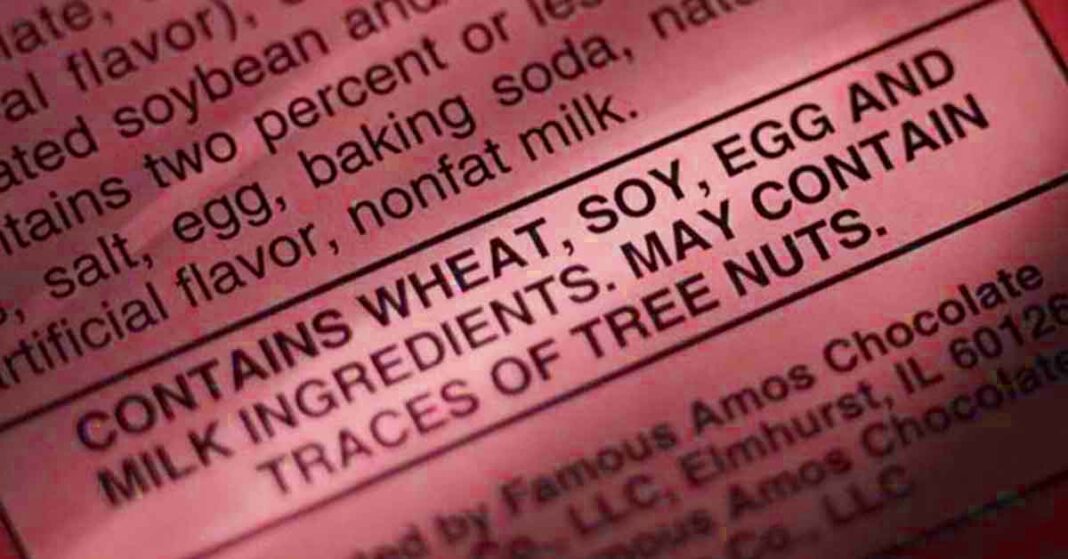
The current state of Precautionary Allergen Labeling (PAL) on food products in the US is dangerously inconsistent. PAL statements—such as “May contain sesame” or “Made in a facility that also processes milk”—are entirely voluntary. This results in a confusing, unstandardized system where some manufacturers include such warnings, many large ones don’t, and others selectively warn for some allergens but not others.
This lack of Food and Drug Administration (FDA) regulation leaves the food allergy community exposed and reliant on the goodwill of manufacturers. The absence of standardization extends not only to whether a warning is present but also to the wording and placement of the statement.
Why the Proposed Solution Falls Short
The FDA is considering a regulatory approach based on setting allergen thresholds endorsed by the World Allergy Organization. The current standard under consideration is ED05, which stands for the eliciting dose—the amount of allergen that may trigger a reaction—in 5% of the allergic community.
Unfortunately, this focus on a quantitative threshold misses a critical point: it only addresses the risk of unavoidable cross-contact during normal manufacturing. It does not account for the risk of human error or a major, unannounced change in a product’s formula.
The Problem with Focusing Only on Thresholds
Two real-world incidents illustrate why the allergic community needs complete transparency about which allergens are processed in a facility, regardless of threshold testing:
- Manufacturing Mistakes and Undeclared Allergens: Last week, a nationwide recall of Jody’s Inc. Cabot Creamery Sea Salt Caramel Cheddar Popcorn due to undeclared peanuts highlights this risk. The recalled bags mistakenly contained whole peanuts—not due to trace cross-contact, but a clear error on the manufacturing line. While the packaging did carry a PAL statement for peanuts, the key information for an individual with a peanut allergy is knowing that peanuts are processed in that facility at all, which may not be the case going forward if this product falls below the proposed ED05 threshold. This knowledge is essential to guard against labeling, packaging, and manufacturing mistakes that occur outside of normal protocol.
- Tragic Consequences of Unannounced Ingredient Changes: The tragic passing of 25-year-old dancer Órla Baxendale in 2024 demonstrates the danger of ingredient changes. Ms. Baxendale, a woman with a peanut allergy who was a vigilant label reader, consumed a cookie purchased at a Stew Leonard’s that led to her death by anaphylaxis. The label she read did not reflect a recent, unannounced formula change by the manufacturer, Cookies United, which had begun adding peanuts as an ingredient. Had a PAL warning been present stating that peanuts were processed in the facility, it is likely she would have avoided the cookie that ultimately claimed her life.
The Solution
The solution is not complex, but it requires a fundamental shift in regulatory priority.
What is necessary is a single, mandatory blanket statement to be used whenever a top allergen is processed in a facility, regardless of ingredient thresholds or internal testing protocols, such as:
“Made in a facility that also processes [Allergen].”
This simple, required disclosure would provide the information necessary for an allergic consumer to assess their own risk. If the FDA chooses to permit a secondary, supplemental statement that the product meets the proposed ED05 threshold, it can do so, to provide even more salient information. But first and foremost, consumers must have complete transparency about which allergens are present in the manufacturing environment to protect against all forms of risk—both routine cross-contact and catastrophic human error.
SnackSafely has proposed four simple-to-implement changes that the FDA should adopt to make allergen labeling significantly safer for the allergic community. Read about them and sign the petition urging the FDA to take action.
What do you think? Please comment below to provide your insight.


The threshold warning is nearly completely useless, as I assume that this would ultimately be risk calculated based on typical serving size etc. I definitely prefer to know what common allergens are present in the facility to make decisions for my own (and my families) safety.