
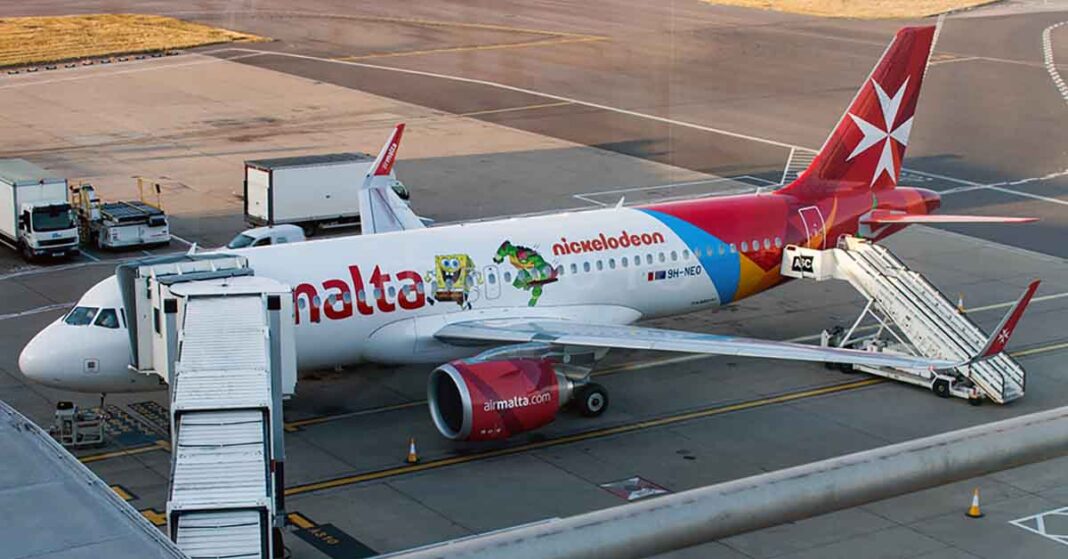
Samantha Mattioli, a traveler from Malta, experienced severe distress after being ordered to leave a KM Malta Airlines aircraft because she did not carry an epinephrine auto-injector for her cacao allergy. The 33-year-old recounted the very embarrassing incident following her removal from the plane in Germany. Mattioli expressed her strong feelings about the experience, saying: “I was escorted off the aircraft as if I were a criminal… I felt humiliated.”
The passenger stressed that this was the first time in eight years of dealing with a severe chocolate allergy that a carrier had prohibited her from flying. On previous occasions, even just one day prior on the outbound segment of her trip, she had simply informed the flight crew of her condition, and an allergy announcement would be made to the other travelers. Crucially, Mattioli maintained that her medical practitioner had never provided her with a prescription for the emergency injector, instructing her only to use oral antihistamine tablets, which she ensured she possessed during the boarding process.
The day before the incident, following her initial flight to Munich, the cabin crew recommended she formally contact the airline about her allergy before her journey back. The resulting email exchange saw the airline confirming they would make an in-flight announcement, but they also offered advice to seek medical counsel concerning managing risks. They suggested this counsel “may include… carrying an epinephrine/adrenaline auto injector, like an EpiPen, in your cabin baggage, for use in an emergency allergy reaction.” The carrier’s website policy also mandates that travelers must carry an auto-injector if one has been prescribed.
Despite following her physician’s instructions and carrying her meds, Mattioli was confronted by a crew member on the return flight who demanded she produce an epinephrine auto-injector. When she explained her doctor’s non-prescription, the response was definitive. “I told them that I don’t have an EpiPen because my doctor never prescribed me one. So I was told: ‘Today you’re not going to fly’”. She then attempted to reason with the attendant, but instead of engaging in dialogue, the staff member escalated the situation. Mattioli remembers the flight attendant’s hostile demeanor, saying: “But she just laughed at me and got security.”
The unfortunate situation forced Mattioli and her managing director, who chose to disembark in solidarity, to secure a hotel room and purchase new tickets for a flight scheduled the next morning, incurring unexpected costs. The passenger described her intense emotional distress, stating: “I felt humiliated. I was crying, everyone was looking at me. I felt completely lost as I was in another country where I didn’t know anyone,” and lamented the deeply personal ramifications of the flight removal. She tearfully recounted how the incident disrupted an important family moment, explaining: “The worst thing is that I had to miss my son’s first day of school. We had a call, and he asked me why I wasn’t there. It broke my heart.”
To guarantee passage the next day, Mattioli quickly obtained an auto-injector prescription from her general practitioner. Ironically, upon boarding the subsequent flight, the new crew expressed confusion over why she had been denied boarding previously and had no issue with making the requested allergy announcement. The disappointed passenger conveyed her dissatisfaction with the airline’s subsequent treatment, receiving what she characterized as inadequate and unhelpful replies. She concluded that the issue transcended financial compensation, saying: “It’s not about the money. It’s more about how this is not the right way to treat someone,” In response to media inquiries, KM Malta Airlines confirmed they were in “active communication with Ms Samantha Mattioli to resolve the matter directly.”
This incident raises several important issues. First and foremost, Ms Mattioli’s physician needs to be educated on the dangers of anaphylaxis, a serious and life-threatening reaction to a food, drug, insect venom, or environmental substance. Epinephrine is the only drug that can halt and reverse the progression of anaphylaxis and should be prescribed to anyone with a food allergy. Antihistamines are not a first-line treatment for anaphylaxis and should only be administered after epinephrine. We urge anyone who has been diagnosed with a food allergy to insist their medical practitioner prescribe emergency epinephrine and to carry two doses everywhere, every time.
The airline must more clearly communicate its food allergy policies to employees and the public, ensuring that everyone is aware of their epinephrine requirement before passengers board, thereby helping to prevent such confrontations in the future.
Regardless of the airline’s policy, we urge everyone prescribed epinephrine to carry it onboard every flight and administer it immediately when you first suspect anaphylaxis. You wouldn’t want to be at sea without a life preserver, and the same goes for flying: don’t get caught at 30,000 feet without your lifesaving medication.