
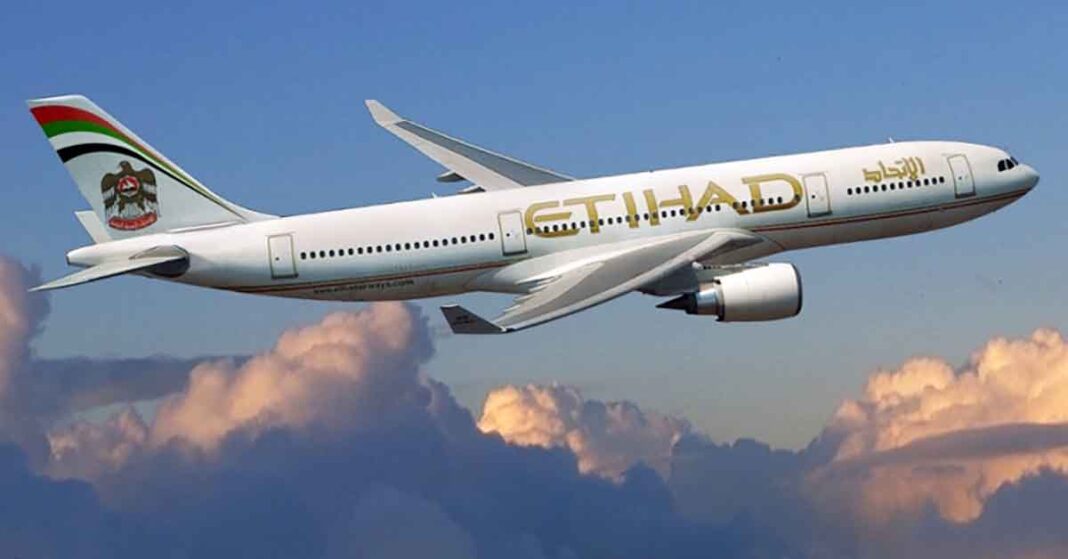
On December 1, 2025, two senior specialists from MGM Healthcare demonstrated their clinical expertise and courage during a critical in-flight medical emergency. Dr M Gopinathan and Dr Sudharshan Balaji, of the MGM Healthcare system in Chennai, India, were returning from a medical camp in Ethiopia when they intervened on an Etihad Airways flight. Their prompt action saved a young crew member’s life after he suffered acute anaphylactic shock.
The emergency occurred 40 minutes after take-off, after the flight had already passed the no-return point. The crew member developed anaphylaxis, a rapid, life-threatening allergic reaction that caused airway swelling, bronchospasm, and a dangerous drop in oxygen levels. The patient presented a critical scenario: zero air entry and an oxygen saturation of only 80%, demanding immediate, decisive intervention.
The situation was especially challenging due to the mid-air environment. Limited medical resources and the impossibility of an immediate emergency landing significantly compounded the threat posed by the patient’s rapidly deteriorating condition. The doctors operated quickly and efficiently with only the available on-board medical kit to manage the severe allergic reaction and respiratory failure.
The specialists immediately administered life-saving treatment. The protocol included a combination of vital medications to stabilize the patient’s breathing and counteract the systemic allergic response. They used steroids to reduce airway inflammation, bronchodilators to improve airflow, and antihistamines to manage secondary symptoms. It is unknown whether epinephrine — the drug of choice used to halt and reverse the progression of anaphylaxis — was available and administered during the emergency.
The initial resuscitation efforts were intensive, lasting for almost an hour before the patient’s ventilation began to improve. Crucially, the doctors maintained continuous oxygen support for the crew member for nearly four hours. Under their continuous monitoring, the patient’s vital signs stabilized, oxygen saturation levels improved significantly, and he remained conscious and communicative until the plane landed safely.
The incident, which lasted five hours from 2:30PM to 7:30PM Ethiopian time, highlights the doctors’ dedication to medicine. Operating at 30,000 feet, they used their expert knowledge to successfully handle a real medical crisis with limited tools.
The successful outcome underscores the importance of quick, expert medical response in emergencies. Luckily, two experienced doctors were aboard when anaphylaxis struck.