
Mabylon AG, a Swiss biotechnology company specializing in antibody therapies, has officially launched the first clinical trial for its leading drug candidate, MY006. This marks a significant milestone in the fight against peanut allergies, as the company announced that the first healthy volunteer has successfully received a dose in the Phase I study. The trial is designed to evaluate the safety and potential of MY006 as a preventive treatment for individuals who suffer from severe allergic reactions to peanuts.
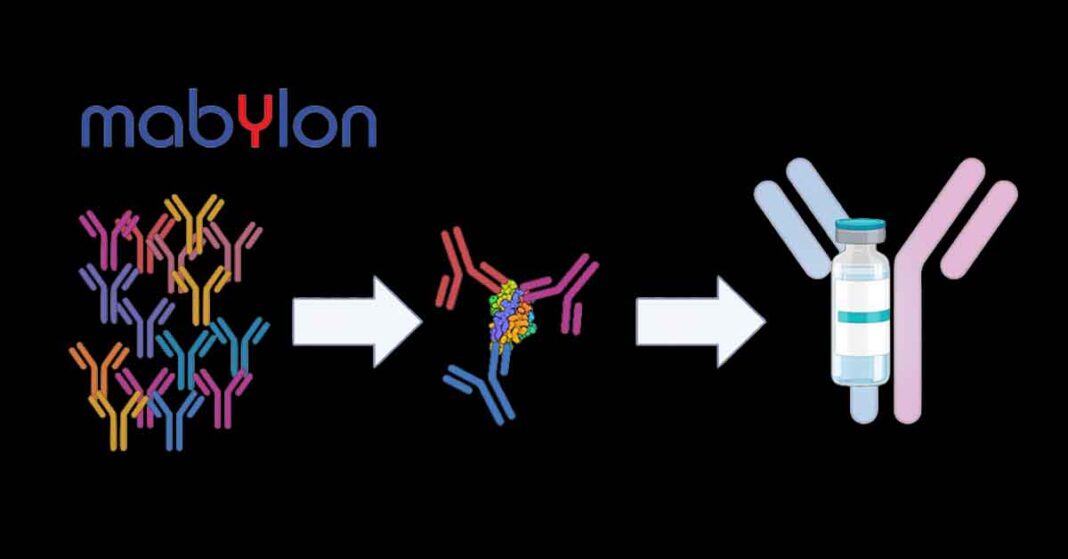
The drug at the center of this study represents a novel approach to allergy management. It is a specialized, human-derived antibody described as “tri-specific,” meaning it is engineered to target and neutralize specific parts of the peanut allergen. Unlike traditional treatments that often rely on slowly desensitizing a patient’s immune system through exposure to the allergen itself, MY006 is designed to block the allergic reaction before it starts. The goal is to provide protection without the risks associated with introducing peanuts into the patient’s system.
The clinical trial is a rigorous Phase 1a/b study conducted in the US. It is randomized, quadruple-blinded, and placebo-controlled, which is the gold standard for clinical research to ensure unbiased results. The primary objectives are to assess the safety, tolerability, and how the drug moves through the body (pharmacokinetics). Additionally, researchers will look at the drug’s effect on the immune system and its ability to prevent allergic responses in patients.
The study is divided into two distinct parts. Part A focuses on safety in healthy volunteers. Up to 32 healthy adults between the ages of 18 and 55 will be enrolled in this phase. They will receive increasing single doses of the drug via injection under the skin to determine the highest safe dose. Once safety is established, the trial will move to a multiple-dose phase for this group. This initial step is crucial for establishing a safety baseline before testing the drug on those with allergies.
Part B of the trial will involve the actual target population: patients with peanut allergies. This phase aims to enroll up to 16 participants, including both adolescents and adults aged 12 to 55 years. These patients will receive the treatment at specialized allergy and immunology centers across the US. This portion of the study is critical for gathering early data on how well the drug works clinically and how it interacts with the biology of an allergic individual.
If successful, MY006 could offer a convenient alternative to current therapies. The drug is being developed to offer long-lasting protection with just a few subcutaneous injections required per year. This “prophylactic” or preventive model aims to safeguard patients against accidental exposure to peanuts, which is a constant source of anxiety for allergy sufferers. Because it does not require exposure to the allergen to build tolerance, it is expected to have a favorable safety profile compared to oral immunotherapy.
Peter Lichtlen, Chief Medical Advisor at Mabylon, highlighted the importance of this development, noting that dosing the first participant brings the medical community one step closer to a therapy that could protect patients from the life-threatening risks of accidental peanut ingestion.
Mabylon has treatments for other allergies in the pipeline.