
A recent study published in Food Bioscience examines how certain natural carbohydrates may help manage food allergies. Food allergies occur when the immune system overreacts to otherwise harmless food proteins, triggering the release of inflammatory chemicals such as histamine. This reaction can produce symptoms ranging from skin rashes to life-threatening anaphylaxis. Because current management strategies rely primarily on avoidance or on treating symptoms after they occur, researchers are exploring active approaches that can modulate immune responses and restore immune balance.
The researchers focused on prebiotics, dietary fibers the human body cannot digest that selectively promote the growth and activity of beneficial gut bacteria. Although prebiotics are known to influence immune health indirectly through the gut microbiome, this study examined whether certain oligosaccharides might also interact directly with immune cells. To test this, the team compared seven oligosaccharides—including commonly used fructo-oligosaccharides (FOS) and inulin—against a simple sugar control.
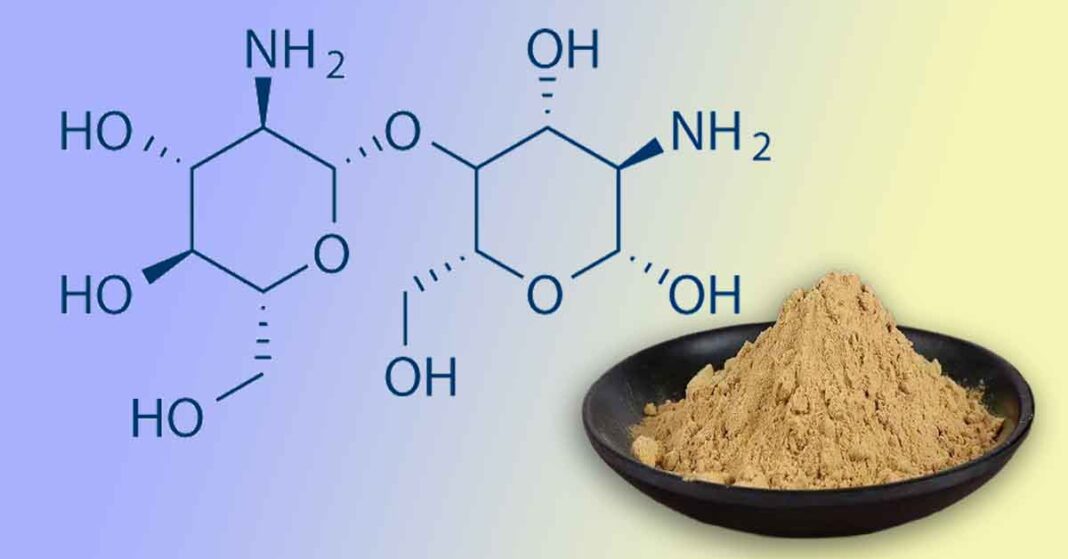
Among the substances evaluated, chitosan oligosaccharides (COS) demonstrated the strongest immunomodulatory effects. In laboratory models simulating mast cells (RBL-2H3 cells), which play a central role in allergic reactions, and macrophages (RAW264.7 cells), which are involved in broader inflammatory processes, COS most effectively reduced the release of histamine and other inflammatory markers while supporting regulatory immune pathways.
The study also examined how these carbohydrates influenced the gut–immune axis through fermentation experiments. COS was particularly effective at maintaining microbial diversity and promoting beneficial bacteria, including Bifidobacterium. These bacteria produce short-chain fatty acids (SCFAs), which support intestinal barrier integrity and help regulate immune function.
Importantly, the laboratory findings were corroborated by results from an animal model. In vivo experiments showed that COS significantly alleviated allergic symptoms and modulated systemic immune responses. These findings provide mechanistic insight into the anti-allergic effects observed in the study’s animal model.
By evaluating multiple oligosaccharides within a unified experimental framework, the researchers identified which compounds showed the greatest immunomodulatory potential. The results provide guidance for future development of dietary interventions aimed at supporting immune balance in allergic disease.
Overall, the study highlights COS as a promising functional ingredient for supporting immune homeostasis. Although additional research is needed before translating these findings into clinical use in humans, the work suggests that certain targeted fibers may one day complement existing strategies by helping regulate immune responses rather than simply managing symptoms.