
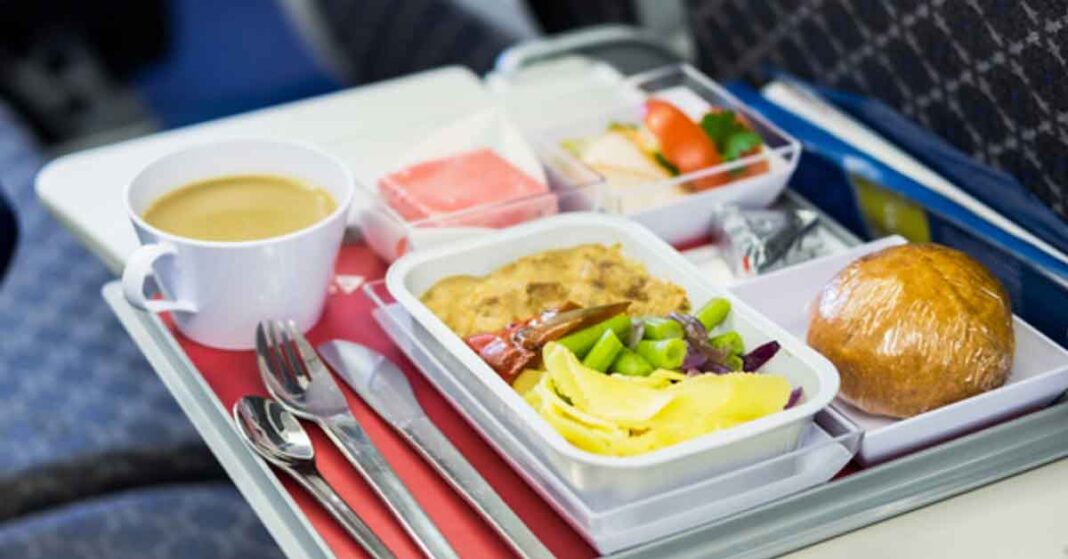
The Safer Tourism Foundation is currently running a campaign aimed at making travel safer for individuals with food allergies. This initiative responds to a concerning increase in reported food-related allergic reactions among travelers.
Recent consumer research from April 2024 showed that “one in eight travelers (12%) reported having experienced a food-related allergic reaction while on holiday,” a figure that increased to “one in seven (15% of travelers)” just six months later, representing a 25% rise. The charity’s incident data also emphasizes that near misses involving life-threatening food allergies remain a major concern in the travel industry.
According to the Safer Tourism Foundation’s research, “one in seven of us knows someone with a potentially life-threatening food allergy.” The psychological and practical burden is evident, with “one in two respondents confessed they feel more nervous about travelling than they would if they/their family member did not have an allergy (50%).” Furthermore, “two in three (64%) report taking extra precautions when they take a trip,” and “one in three (33%) are more likely to prioritise health and safety policies over cost when choosing holiday providers.” This commitment to safety often leads to loyalty, as “one in three (32%) report choosing the same travel company time and time again if they’ve had a good experience, because they feel safer knowing their provider can handle allergies.”
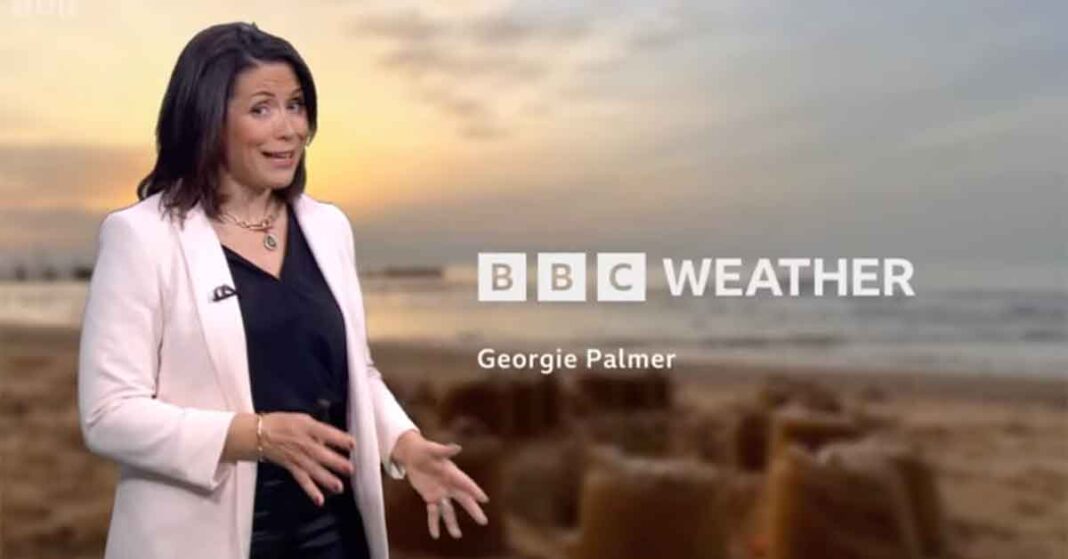
BBC weather reporter Georgie Palmer stated:
As the mother of a child with a life-threatening food allergy, I know how nerve-wracking it is to plan and go on holiday. At home, you can control most aspects of your environment but when travelling, you’re placing your trust in others. And all you want is clarity, consistency and ultimately, kindness.
Recounting a “nightmare travel scenario” where her family was “forced to get off a plane after the airline failed to adhere to their own policy, Palmer emphasized the urgent need for systemic change, concluding:
It’s time for regulators and travel providers to apply a systematic approach when it comes to protecting travellers with severe allergies. We’re quite simply asking that every transport provider has a clear, publicly available policy in place and that this is carried out for the entirety of the travel journey.
Despite the growing prevalence of food allergies, only “one in four travellers (26%) has been on a commercial flight where an announcement was made requesting that passengers refrain from consuming a food containing an allergen.” However, there’s a strong willingness among passengers to cooperate, as “nine out of 10 say they will refrain from eating any food containing nuts if asked to by the airline.”
Dr Paul Turner, Professor of Anaphylaxis research at Imperial College London, highlighted the risks of “airborne allergens” being rare but emphasized that “there are very real risks from touching seat surfaces or entertainment screens which may have been contaminated with food.” He advocates “Passengers with food allergies should be allowed to preboard to clean their seat area, and airlines should have clear policies which are applied consistently to help food-allergic individuals feel confident when flying.”
The “Put the Nuts Away” campaign by the Safer Tourism Foundation advocates for a “ruthlessly reasonable approach to managing food allergies on flights,” calling for increased transparency, consistency, and pragmatism from airlines and rail operators. The campaign has three core demands: “Airlines and rail operators should have clear, transparent and publicly available policies on how they manage travellers with life threatening allergies,” they “should follow through consistently on their policies,” and they “should adopt CAA guidance* and carry a minimum of two (in-date) auto-adrenaline [epinephrine] injectors and ensure crew are trained on how to use them.” Beyond policy changes, the campaign also aims to provide life-saving information on managing anaphylaxis, as only “one third of travellers would know what to do” if someone experienced it.
Katherine Atkinson, CEO of Safer Tourism Foundation, acknowledges that “One of the reasons we don’t see more of our fellow passengers experiencing severe reactions to food allergies when we fly is that people who have life-threatening food allergies are usually very good at managing the risks themselves.” However, she warns that this might have created “a false sense of security” among airlines, especially given that “Food allergies in the UK have more than doubled since 2008.” Atkinson stresses the persistence of allergens like nuts on surfaces and makes a compelling plea: “So we’re asking people to make a relatively small sacrifice if asked to do so, because refraining from eating a peanut or cashew for the duration of a flight might just save a life. We want to see airlines and rail operators make this a priority and have clear, consistent and reasonable policies in place for the management of food allergy risk to enable everyone, whether or not they have a food allergy, to travel safely.”
- 1 in 7 travellers affected by food allergies on holiday — Safer Tourism Foundation
- Put the nuts away — Safer Tourism Foundation