

Scientists at Arizona State University, in collaboration with researchers from Yale University, have made a significant discovery about how severe food allergies, which affect more than half a billion people worldwide, trigger anaphylaxis. While it was previously understood how allergens injected into the body, like from an insect sting, cause a severe reaction, the process for ingested food allergens remained a mystery. This new study sheds light on this complex mechanism by identifying a surprising source of the allergic chain reaction: specific immune cells in the gut that release powerful chemical signals.
The study, published in the journal Science, reveals that the reaction to food allergens in the gut is fundamentally different from the reaction caused by allergens entering the bloodstream directly. Lead ASU researcher Esther Borges Florsheim explains that scientists previously assumed the anaphylactic pathway was the same regardless of the allergen’s entry point, with histamine being the primary chemical driver. However, this new research shows that when allergens are ingested, specialized mast cells in the gut do not release histamine. Instead, they produce lipid-based molecules called leukotrienes, which are the key triggers of anaphylaxis in the gastrointestinal tract.
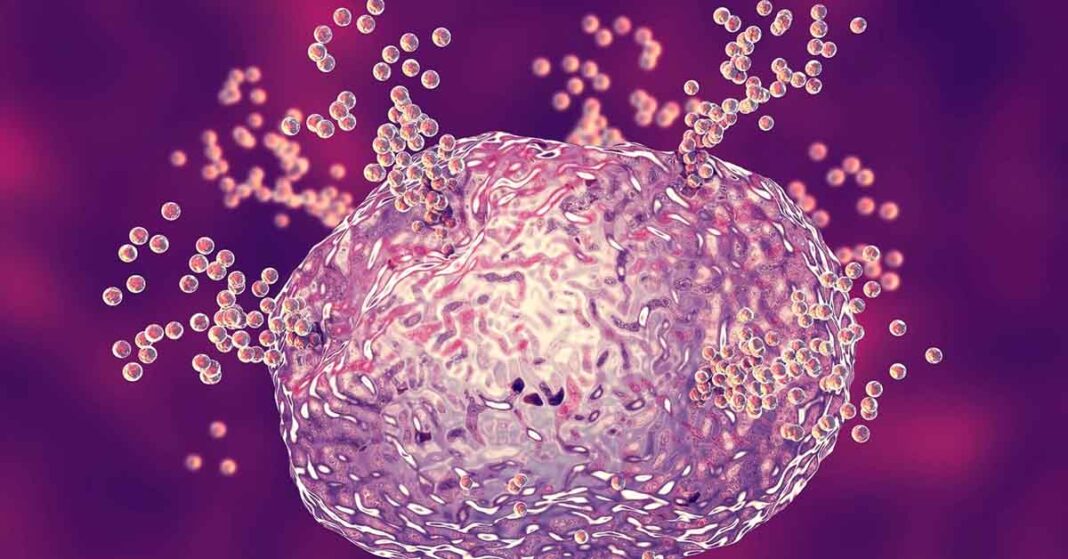
In both systemic allergies and food allergies, immune cells known as mast cells play a crucial role. When these cells detect an allergen, they release chemicals that cause symptoms like swelling and a dangerous drop in blood pressure. While mast cells in the bloodstream primarily release histamine, the new research indicates that mast cells in the intestinal lining respond differently when an allergen is ingested. Influenced by nearby epithelial cells, these intestinal mast cells produce far less histamine and instead ramp up their production of cysteinyl leukotrienes.
To confirm that leukotrienes were the true cause of the severe reaction, the research team used an FDA-approved asthma medication called zileuton, which blocks the enzyme needed to produce leukotrienes. The results were compelling: the drug significantly reduced allergic symptoms and protected against the dangerous drop in body temperature that is a hallmark of anaphylaxis. Importantly, the same drug had no effect on reactions caused by allergens injected into the bloodstream, a finding that further reinforced the discovery of a distinct gut-based pathway for allergic reactions.
Current emergency treatments for severe allergic reactions, such as epinephrine, are designed to quickly reverse symptoms after anaphylaxis has already begun. Antihistamines, while useful for mild reactions, are largely ineffective at preventing severe, food-triggered events. The findings of this new study suggest that targeting leukotrienes could offer a new preventive or therapeutic strategy for treating food-triggered anaphylaxis. Because drugs that block leukotriene production are already approved for other conditions like asthma, this research could potentially accelerate their application for use in food allergy treatment.
Beyond its potential clinical applications, this research fundamentally changes how scientists understand allergic reactions. It demonstrates that the way an allergen enters the body—whether through the skin, bloodstream, or gut—can determine the type of immune response that occurs. Florsheim notes that this finding helps explain a long-standing puzzle: why the level of food-specific antibodies in a person’s blood doesn’t always reliably predict their risk of a severe food allergy reaction.
The next steps for the researchers involve investigating whether similar mast cell populations and leukotriene-driven pathways exist in humans. If these findings hold true for people, blocking these pathways could potentially reduce or prevent severe reactions in individuals with life-threatening food allergies. The discovery offers a new direction for future research and treatment, holding promise for the millions of people who live with the constant threat of a dangerous allergic reaction.