
Food allergies are becoming increasingly common, and for many people, the current treatments — like strictly avoiding trigger foods — are disruptive and often insufficient. Researchers are now looking beyond traditional methods and focusing on the connection between the gut’s bacteria (the microbiome) and the body’s immune system. When this bacterial balance is thrown off — a condition called dysbiosis — it can contribute to the development of allergies.
A particular focus is on a type of allergy triggered by Lipid Transfer Proteins (LTPs), which are common in plant foods, especially fruits like peaches. A protein in peaches is a frequent culprit in the Mediterranean region. Symptoms of LTP allergy can range from mild itching in the mouth to severe, life-threatening reactions. This situation has driven the search for gentler, more effective ways to help the immune system manage these reactions.
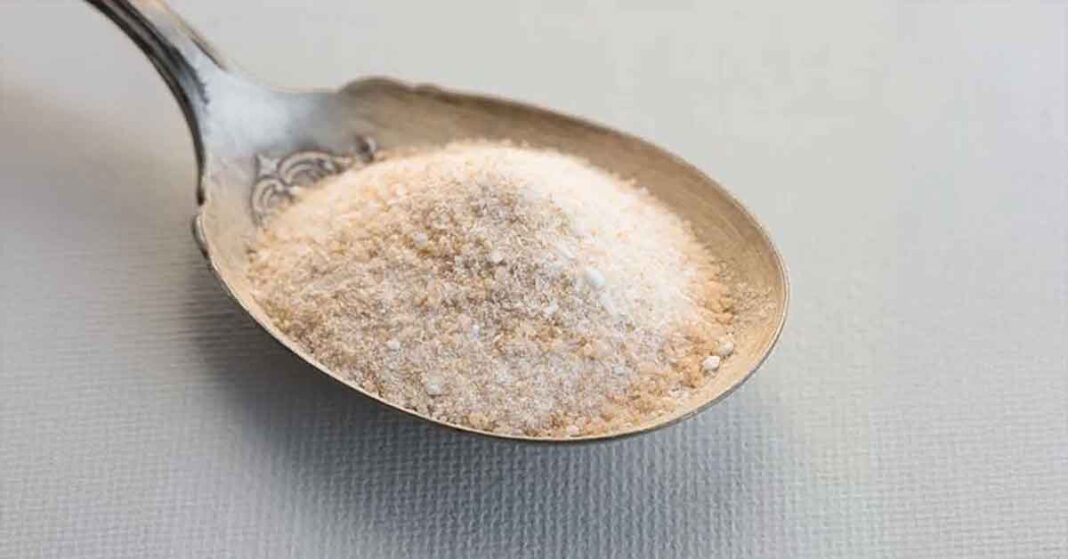
The promising new approach involves pectin prebiotics. Pectins are natural fibers found in the skin and pulp of many fruits, like apples and citrus. Unlike probiotics, which add good bacteria, prebiotics are like fertilizer that helps the beneficial bacteria already in your gut grow and thrive. By nourishing these good bacteria, pectin aims to restore the balance in the gut that is crucial for a healthy immune response.
To test this idea, scientists conducted a study where people with LTP allergies were given pectin supplements. The results were highly encouraging. The pectin treatment was found to be safe and well-tolerated, with only minor, temporary stomach discomfort reported. Most importantly, it worked: over half of the participants improved their tolerance to the peach allergen. In a remarkable finding, 30% of people achieved full tolerance, meaning they could safely consume the amount of allergen in a whole peach.
How does it work? Pectin has a powerful dual effect. First, it helps calm the immune system by reducing the levels of inflammatory signals (called cytokines) that cause allergic symptoms. Second, it shifts the gut environment in a positive direction, boosting the population of helpful bacteria like Bacteroides and Bifidobacterium.
This increase in beneficial bacteria leads to the production of healthy byproducts called Short-Chain Fatty Acids (SCFAs). These fatty acids are key to strengthening the gut lining and improving overall immune regulation. These findings suggest that pectin, a simple natural fiber, could be a powerful new tool for managing food allergies by working directly with the body’s natural defenses in the gut. While these results are exciting, researchers will continue to study pectin’s effects over the long term.