
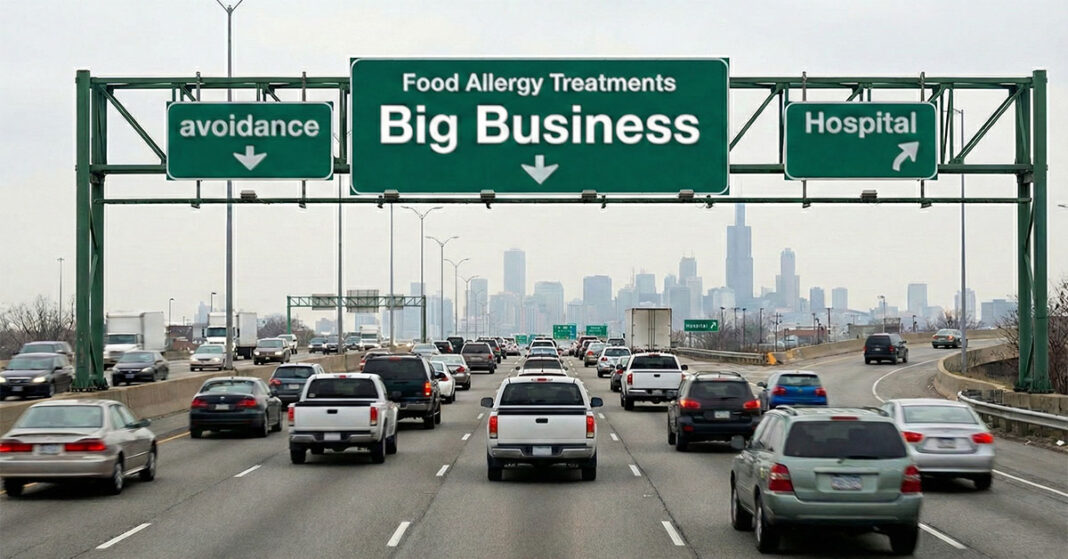
The pharmaceutical industry is signaling a massive shift in how it values the food allergy market, underscored by GSK’s recent $2.2 billion acquisition of Rapt Therapeutics. This high-stakes deal centers on ozureprubart, a Phase 2-stage antibody designed to protect patients from severe allergic reactions. By paying a 39% premium over Rapt’s closing stock price, GSK is betting heavily that the next generation of allergy treatments will become multi-billion-dollar blockbusters, mirroring the success of established immunology drugs.
For years, the food allergy space was largely overlooked, with patients forced to rely on strict avoidance or emergency epinephrine. However, the FDA’s 2024 approval of Xolair (omalizumab) for food allergies proved there is a massive appetite for prophylactic treatments. GSK’s move to acquire a direct competitor to Xolair suggests that Big Pharma no longer views food allergy as a niche concern, but rather as a cornerstone of the multi-billion-dollar immunology and inflammation sector.
The primary driver behind this $2.2 billion valuation is the quest for “best-in-class” convenience. While the current market leader, Xolair, requires injections every two to four weeks, Rapt’s ozureprubart boasts an extended half-life that could allow for dosing just once every 12 weeks. In the eyes of investors and pharmaceutical giants, this fourfold reduction in treatment burden is the “holy grail” that justifies a massive upfront investment, even for a drug that is still in mid-stage clinical trials.
This acquisition also highlights the trend of “validated targets” in drug development. Ozureprubart targets the same IgE antibody pathway as Xolair, meaning the underlying science has already been proven effective by Roche and Novartis. By acquiring an asset with a high probability of technical success, GSK is attempting to de-risk its pipeline while simultaneously positioning itself to capture a significant portion of the expanding food allergy patient population.
The deal marks a remarkable turnaround for Rapt Therapeutics, which had previously faced clinical holds and layoffs tied to other assets. GSK’s willingness to overlook these past hurdles to secure ozureprubart underscores the industry’s desperation and urgency to secure high-value allergy pipelines. It signals to other small biotechs that a strong food allergy candidate can serve as a lifeline, attracting massive buyouts from hungry conglomerates.
Looking ahead, GSK plans to advance ozureprubart into Phase 3 trials in 2027, aiming to set a new standard for patient care. The company’s Chief Scientific Officer, Tony Wood, emphasized that the drug addresses a “clear unmet medical need,” a phrase that has become synonymous with high-margin returns in the biotech world. As food allergies continue to rise globally, the financial premium on these treatments is expected to climb even higher.
Ultimately, the $2.2 billion price tag for a Phase 2 asset serves as a wake-up call for the broader biotech sector. The food allergy pipeline is no longer a secondary focus; it is a primary battleground for pharmaceutical dominance. As GSK and its rivals race to bring more convenient, long-acting therapies to market, the message is clear: the ability to offer sustained protection against life-threatening allergies is currently one of the most valuable commodities in medicine.