
The confirmation of the first known death directly linked to Alpha-gal Syndrome (AGS), a severe, delayed allergic reaction to red meat caused by a tick bite, has significantly heightened public health concern. The victim, a 47-year-old man from New Jersey, was previously healthy before his body developed a dangerous hypersensitivity to the alpha-gal sugar found in most mammalian meats. His case serves as a tragic and urgent reminder of the potentially life-threatening nature of this emerging condition, prompting medical professionals to urge greater vigilance and awareness.
The fatal sequence of events began for the victim in the summer of 2024 following a family camping trip. Hours after eating a steak, he was awakened by intense stomach pain, vomiting, and diarrhea. He survived that first, near-fatal reaction, telling his son he felt he was going to die. However, two weeks later, after eating a hamburger at a barbecue, the man became ill again. He was later found unconscious, and despite immediate emergency care, he was pronounced dead, with an autopsy initially recording the cause as “sudden unexplained death.”
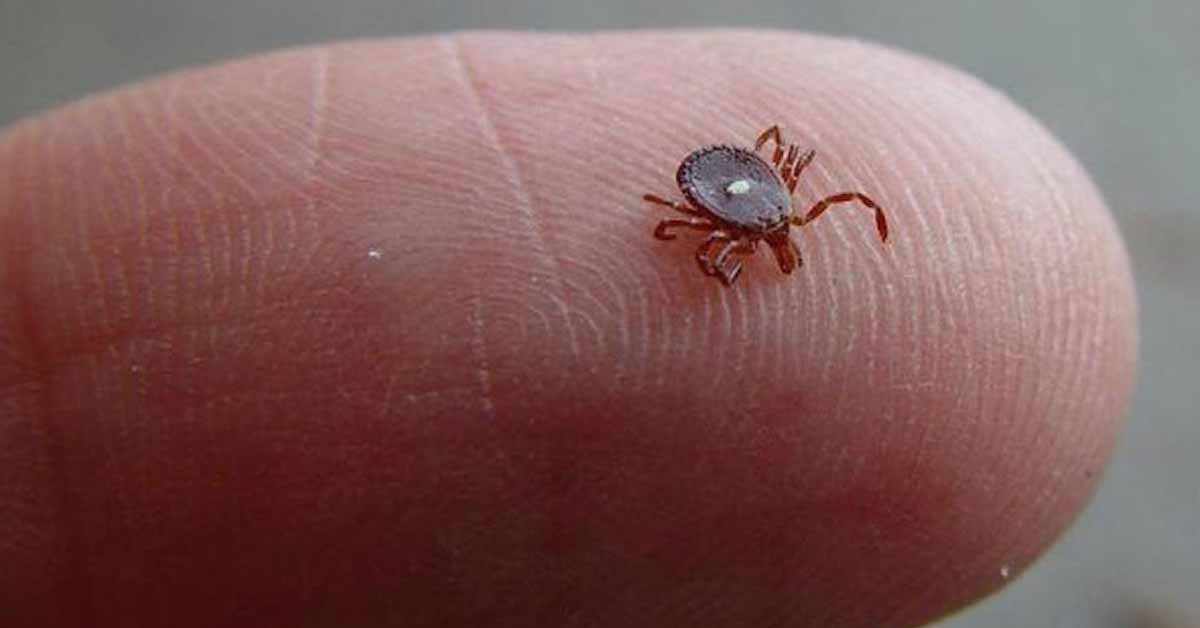
Alpha-gal Syndrome (AGS) is defined as a specific allergy to mammalian meat (like beef, pork, and lamb) that is acquired after a bite from certain ticks. The primary culprit is the Lone Star tick, though research now links other species to the condition. Unlike immediate food allergies, AGS is unique because symptoms typically have a delayed onset, often surfacing between two and six hours after consuming foods that contain the alpha-gal molecule.
The medical mechanism behind AGS involves a tick bite introducing the alpha-gal sugar molecule—which humans naturally lack—into the bloodstream. This intrusion triggers the body’s immune system to produce IgE antibodies against the sugar. Once a person is sensitized, consuming mammalian products, which naturally contain the alpha-gal molecule, can then provoke an allergic response. As tick activity rises during warmer months, the geographic risk for contracting AGS is expanding across much of the eastern United States.
Diagnosing AGS can be challenging precisely because of the characteristic delay in the reaction. Early warning signs can mimic other gastrointestinal issues, including stomach cramps, nausea, vomiting, and diarrhea. However, these symptoms can escalate to full-blown and life-threatening anaphylaxis, marked by wheezing, trouble breathing, dizziness, or a sudden, severe drop in blood pressure. Anyone experiencing severe symptoms, especially hours after a meal containing red meat, must seek immediate medical help.
Specialists at UVA Health, after testing a blood sample from the deceased New Jersey man, discovered he was highly sensitized to alpha-gal. His reaction pattern was consistent with what is seen in fatal anaphylaxis. Further investigation revealed that the man had been bitten multiple times by what he thought were chiggers but were later identified as young Lone Star ticks. Furthermore, researchers believe that consuming beer and exposure to ragweed pollen on the day of his death may have intensified the fatal reaction.
Between 2010 and 2022, approximately 110,000 possible cases of AGS were recorded in the United States, yet health experts widely believe the actual number is much higher due to widespread misdiagnosis. Current management for the syndrome focuses on rigorous avoidance of all alpha-gal-containing foods and products, alongside diligent prevention of future tick bites. This confirmed fatality underscores the urgent need for medical practitioners and the public to be aware of AGS symptoms and the unusual delay in their presentation.