
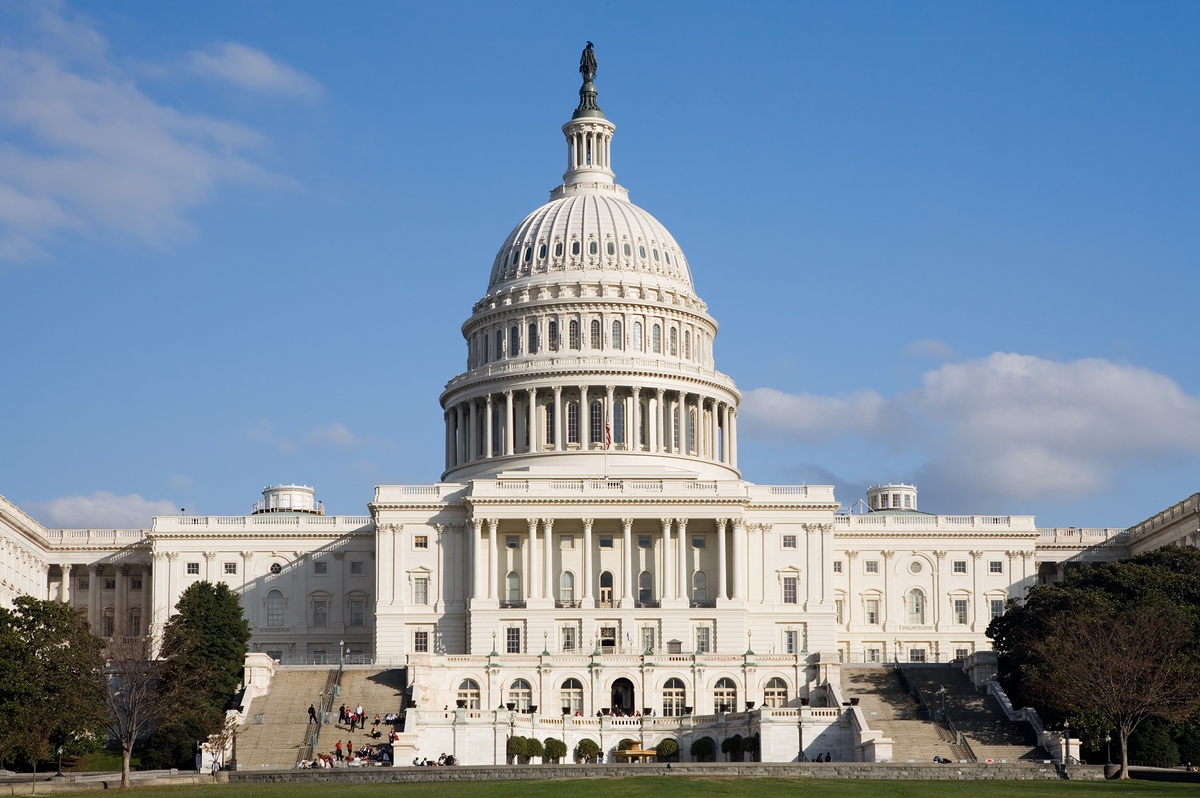
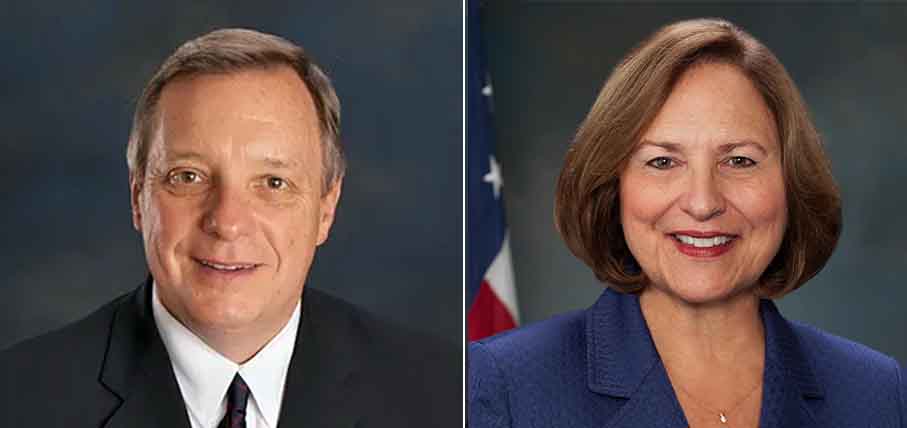
In a significant move for student safety, the Protecting Children with Food Allergies Act has officially been signed into law. Led by US Senators Dick Durbin and Deb Fischer, the bipartisan legislation was enacted as an amendment to the broader Whole Milk for Healthy Kids Act. The new law aims to provide a critical safety net for the millions of children who rely on school meal programs every day.
The primary objective of the legislation is to ensure that school food service personnel are properly equipped to handle the complexities of food allergies. By mandating specialized training, the law aims to improve the prevention, recognition, and emergency response to allergic reactions in school cafeterias. This initiative addresses a vital gap in current school safety protocols, prioritizing student well-being during one of the most active times of the school day.
Senator Durbin emphasized the emotional relief this law provides to families across the country. “When parents drop their kids off at school, they should have peace of mind knowing that their children are safe with personnel who are trained to handle their children’s food allergies,” Durbin stated. He expressed his satisfaction with the bipartisan support the bill received, noting that its enactment “will ensure that kids will be safer in the event of an allergic reaction.”
Echoing these sentiments, Senator Fischer highlighted the practical benefits of the new requirements: “Now, parents can have the peace of mind knowing that school food service personnel nationwide will know how to respond if a student experiences a serious allergic reaction.”
The law comes at a time when food allergies are reaching record levels, with the number of affected children in the US more than doubling over the past twenty years. Current estimates suggest that roughly six million children — about two students in every classroom — have food allergies. Disturbingly, data show that 20% of epinephrine shots administered in schools are given to children with previously undiagnosed allergies, making universal staff training a life-saving necessity.
To implement these changes, the act amends existing USDA requirements for the National School Lunch Program (NSLP) and the National School Lunch Program (NSLP). Although the USDA already required annual training in areas such as nutrition and food safety, specific allergy training was optional. The Protecting Children with Food Allergies Act formally adds “food allergies” to the mandatory list of annual training modules for all school food service staff.
The legislation has garnered widespread praise from the medical and educational communities, with endorsements from organizations such as Food Allergy Research & Education (FARE), the American Academy of Pediatrics, and the School Nutrition Association. By codifying these training requirements into law, the federal government has taken a decisive step toward protecting vulnerable students and modernizing the American school lunch system.