
New research published in npj Vaccines has introduced a potential breakthrough for people living with food allergies. Scientists have developed tiny, engineered particles that act like a “vaccine” to teach the immune system to stay calm when it encounters allergens. This approach has successfully protected subjects from allergic reactions in early tests, offering what experts describe as a “potential new direction” for long-term treatment.
Currently, managing a food allergy is a daily struggle that relies mostly on avoiding certain foods or undergoing slow, risky desensitization treatments. The study notes that achieving true, lasting “immune tolerance remains a major unmet clinical goal.” Most current treatments don’t actually cure the allergy; they just temporarily raise the threshold for a reaction, often failing to provide the “durable tolerance” needed for peace of mind.
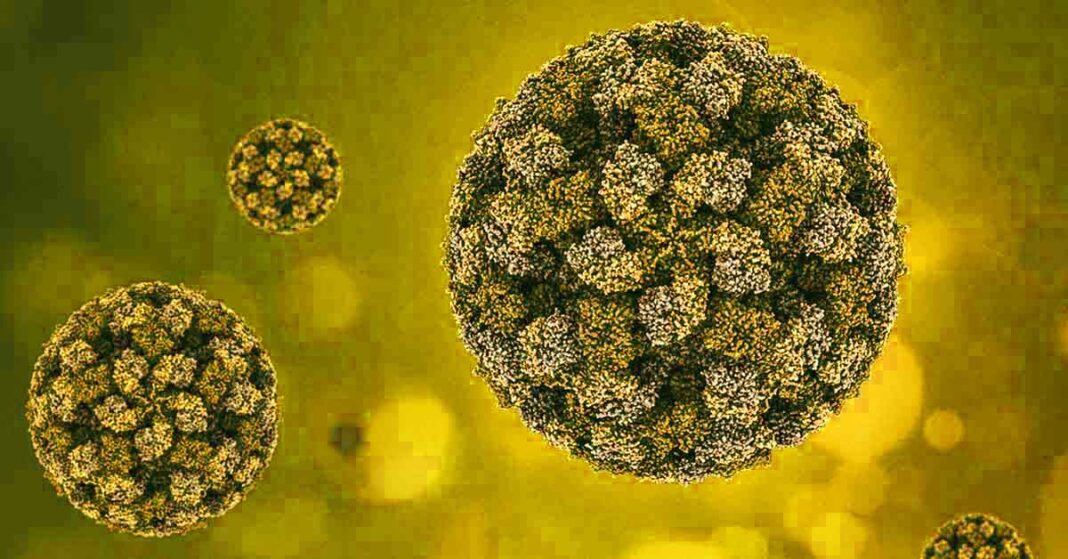
To solve this, researchers created “virus-like particles.” These are harmless shells that look like viruses to the body but contain no disease. They are coated with a specific molecule called CTLA-4, which acts as a “checkpoint” or a stop sign for the immune system. By packing these particles with food proteins, the team created a delivery system designed to “promote the differentiation of tolerogenic dendritic cells” — essentially training the body’s “scout” cells to recognize food as a friend rather than a foe.
The science behind this involves shifting how the body’s internal defense force reacts. The particles push aggressive T cells into a “hyporesponsive state” (a sort of deep sleep) while simultaneously waking up “regulatory” T cells, which act as the body’s peacekeepers. By analyzing the genetics of these cells, researchers found they had successfully created a “distinct regulatory phenotype,” effectively rewiring the immune system’s software to prevent an overreaction.
In lab tests, the results were highly promising. After a short course of injections, mice were protected from allergic symptoms and anaphylactic shock when they were later exposed to the allergen. Most importantly, this protection was “antigen-specific and long-lasting,” meaning it only silenced the allergy without weakening the rest of the immune system, and the effects didn’t just disappear after a few days.
The researchers proved this worked by transferring the “peacekeeper” cells from treated subjects into new ones. These new subjects also became protected, confirming a “causal role for these regulatory cells” in stopping the allergy. This shows that the treatment doesn’t just mask the symptoms; it actually creates a biological change that can be passed from cell to cell within the body.
While this technology is still in the early stages and hasn’t yet been tested in humans, it creates a “flexible platform” that could one day be used for food allergies or even autoimmune diseases. The hope is that this new strategy will eventually “complement or improve upon existing allergy immunotherapies,” providing a safer and more permanent way to prevent life-threatening allergic reactions.