
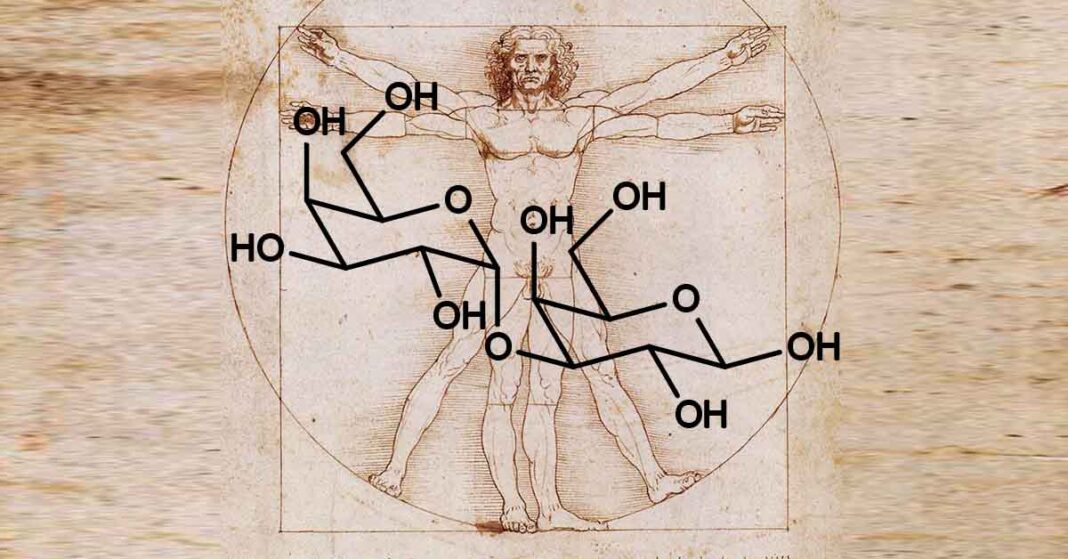
A recent study published in the Journal of Allergy and Clinical Immunology (JACI) has shed new light on Alpha-gal Syndrome (AGS), a unique and often misunderstood allergy to red meat and other mammalian products. Unlike typical food allergies triggered by proteins, AGS is caused by an immune reaction to a specific sugar molecule called alpha-gal, which is found in most mammals but not in humans. This study explored how the body’s “allergy antibodies,” known as IgE, interact with this sugar and may help trigger allergic reactions.
To understand how this works, researchers focused on “effector cells”—immune cells like mast cells and basophils that release chemicals such as histamine during an allergic reaction. Instead of studying these cells directly in patients, the team created a specialized lab model using gene-editing technology (CRISPR) to remove any background alpha-gal from the cells. This allowed them to clearly observe how human IgE antibodies from people with AGS behaved without interference from the lab environment.
One of the more surprising findings was that some of these alpha-gal-specific antibodies appeared to be somewhat “trigger-happy.” In most allergies, the antibody needs to encounter its specific trigger to activate a reaction. However, the researchers found that certain types of alpha-gal IgE could partially activate immune cells even without the sugar being present. This suggests that, in some individuals, the immune system may already be on higher alert, making reactions easier to trigger.
When alpha-gal was introduced, the response increased significantly. Cells sensitized with blood samples from people with AGS showed about a three-fold increase in activation markers compared to controls. The study also found that not all antibodies behaved the same way—different types (“clones”) of IgE produced different levels of activation. This variability may help explain why symptoms of AGS can differ so widely from person to person.
Importantly, the researchers also found that whole blood samples from patients triggered stronger signs of full allergic activation than the lab-made antibody clones alone. This suggests that while individual antibodies play a key role, other factors in the body likely contribute to the severity of reactions.
The discovery that some antibodies can partially activate immune cells even without direct exposure to alpha-gal is especially significant. It suggests that these antibodies may lower the threshold needed to trigger a reaction, which could help explain why AGS symptoms can sometimes seem unpredictable or occur with very small exposures.
Overall, this study provides a clearer picture of how Alpha-gal Syndrome works at the cellular level. By showing that certain antibodies may help “prime” the immune system, the findings move researchers closer to developing treatments that go beyond strict avoidance and instead target the underlying biology of the allergy.
For our FAQ on AGS, including how to protect yourself and your family, see Q&A: Everything You Need to Know About Alpha-gal Syndrome, the Meat Allergy You Can ‘Catch’