
As medical and recreational cannabis use becomes more widespread, allergists are encountering cases of cannabis allergy that may previously have gone unrecognized. At a Toronto allergy clinic, Dr Gordon Sussman treated a patient who experienced dizziness and a dangerous drop in blood pressure after smoking cannabis—symptoms that can indicate a severe allergic reaction, including anaphylaxis. Because many users and even healthcare providers assume symptoms like sneezing or wheezing are simply normal effects of smoke inhalation or cannabis use, genuine allergic reactions may go unnoticed. As Dr Sussman, a professor of medicine at the University of Toronto, noted, “If they sneeze and they wheeze and they say, ‘Well, it’s just part of the cannabis reaction, which is not an allergy,’ they may miss it.”
Unlike ordinary airway irritation from smoke or anxiety-related symptoms that can mimic physical distress, cannabis allergy can involve an immune response to proteins in the plant, often mediated by immunoglobulin E (IgE). Symptoms can range from sneezing, coughing, and skin rashes to swelling, gastrointestinal problems, breathing difficulties, and potentially life-threatening anaphylaxis. According to Dr Payel Gupta, a Brooklyn-based allergist-immunologist, warning signs that suggest an actual allergy rather than simple smoke irritation include hives, swelling, itching, and reactions triggered by touching cannabis, consuming it, or encountering secondhand exposure. “With a true IgE-mediated allergy, it can cause the full spectrum: swelling, wheezing, GI symptoms, and anaphylaxis,” Dr Gupta explained. The potential dangers of occupational exposure have also been highlighted by a reported fatal asthma case involving a cannabis facility worker, although occupational asthma and anaphylaxis are distinct conditions.
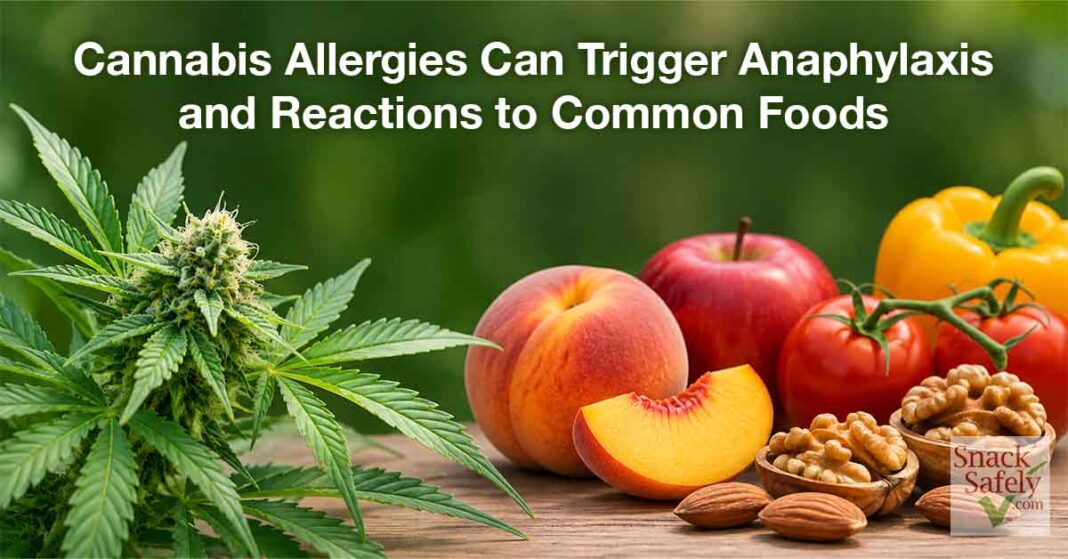
People with cannabis allergies may also experience allergic reactions to certain everyday plant-based foods. Researchers have identified an allergenic cannabis protein called Can s 3, a nonspecific lipid transfer protein (nsLTP) that can cross-react with similar proteins found in various fruits, vegetables, and nuts. Individuals sensitized to this protein may develop reactions to foods such as peaches, apples, plums, tomatoes, peppers, and tree nuts, although sensitization does not necessarily mean they will experience symptoms when eating these foods. Unlike some other plant allergens, lipid transfer proteins are relatively resistant to heat and digestion, meaning they can sometimes trigger severe, body-wide allergic reactions rather than just mild itching or discomfort in the mouth.
Dr Sussman compared this overlap—sometimes called cannabis fruit/vegetable syndrome—to the way people with birch pollen allergies can react to certain raw fruits. However, there is an important distinction: birch pollen-related food reactions typically involve proteins that break down relatively easily during cooking or digestion, whereas lipid transfer proteins are more stable and can cause more serious reactions. Although cannabis-associated food cross-reactivity has been documented more frequently in Europe than in North America, Dr Sussman expects clinicians may encounter it more often as cannabis exposure becomes increasingly common. Scientists are still investigating whether cannabis exposure can contribute to the development of new food allergies or whether people with existing plant-food allergies are more likely to become sensitized to cannabis.
Diagnosing cannabis allergy remains particularly challenging because there are currently no widely available, clinically validated diagnostic tests specifically standardized for the condition. Evaluation begins with a detailed medical history that considers every potential form of exposure, including smoking, vaping, edibles, handling cannabis plants, and using hemp or CBD products. Dr Jonathan A Bernstein, an allergist and professor at the University of Cincinnati, emphasized that healthcare providers should routinely ask patients about cannabis use rather than waiting until an allergy is suspected. Clinicians “have to ask the patient, are they using cannabis, [and] whether it’s smoked or vaped or oral,” Dr Bernstein said, while also investigating any associated skin, respiratory, or other symptoms.
In the absence of standardized testing, some allergists prepare their own skin-prick testing solutions using cannabis plant material. Dr Sussman described an approach involving soaking cannabis leaves and buds in saline for approximately 15 minutes to create a preparation for what he calls a “puddle skin test.” However, these improvised methods have important limitations. Cross-reactivity with pollen or food allergens can produce positive results in people who do not actually experience allergic reactions to cannabis. Blood tests using hemp extracts may also indicate sensitization without confirming a clinical allergy, while more specialized tests targeting individual cannabis proteins remain largely limited to research or specialized settings. As Dr Gupta stressed, “The diagnosis requires both a reaction history and supportive testing.” In other words, a positive allergy test alone is not sufficient to establish that someone has a genuine cannabis allergy.
With no approved immunotherapy or desensitization treatment for cannabis allergy, management primarily involves avoiding cannabis exposure and any foods that have been confirmed to cause allergic reactions. Mild symptoms may be managed with appropriate allergy medications, including antihistamines, eye drops, or nasal and inhaled corticosteroids, depending on the symptoms involved. Patients at risk for anaphylaxis should be evaluated for emergency epinephrine and instructed on its proper use, since epinephrine is the first-line treatment for anaphylaxis and cannot be replaced by antihistamines or steroids. For cannabis industry workers, protective equipment, improved ventilation, and dust-control measures may reduce exposure, although they cannot eliminate the risk entirely. Until more reliable diagnostic tests and better information about the prevalence of cannabis allergy become available, careful medical histories, appropriate testing, and greater awareness among patients and healthcare providers will remain essential.