
Israeli researchers have developed a modified peanut treatment that could dramatically reduce the dangers faced by children living with severe peanut allergies. Scientists at Sheba Medical Centre successfully created what they describe as a “safe peanut” by altering the structure of peanut proteins so the immune system is less likely to identify them as a major biological threat. The experimental approach could pave the way for a new strategy in allergy care.
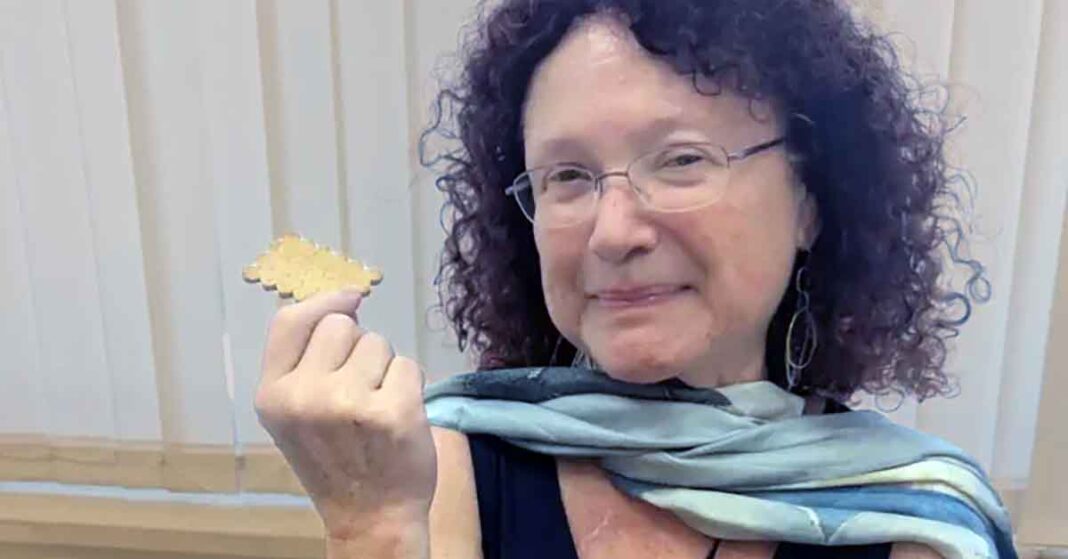
The breakthrough treatment was tested on children with serious peanut allergies using specially developed biscuits known as “Mona Cookies.” The cookies were named after the study’s lead researcher, Professor Mona Kidon, who heads Sheba’s Food Allergy Research Program. To develop the modified peanut strain used in the cookies, the medical team collaborated with Volcani Institute, Israel’s national agricultural research center.
Rather than focusing solely on training the immune system to tolerate peanuts, the researchers modified the peanut proteins themselves. “We actually invented a new peanut,” Kidon explained. She further described the philosophy behind the project by saying, “Instead of making the immune system adapt to the peanut, let’s make the peanut a little bit different.”
To achieve this, scientists “unfolded” the peanut proteins so the body’s immune cells would be less likely to react aggressively to them. Kidon said allergies stem from the immune system incorrectly identifying harmless proteins as dangerous. “An allergy is actually a wrong decision,” she explained. “Your immune system is deciding that these proteins that you see in milk or in egg or in peanuts are something that is really dangerous.” Summarizing the team’s strategy, she added: “We changed the peanut, not the patient.”
The clinical trial produced encouraging early results. Of the 32 children with severe peanut allergies who participated, 28 were later able to safely consume small amounts of peanuts without experiencing dangerous reactions. The treatment program required participants to eat two of the specially formulated “Mona Cookies” every day for approximately nine months.
Researchers described the findings as promising and said the treatment was generally well tolerated. Following the initial trial, the team plans to expand testing into larger placebo-controlled studies involving hundreds of children in order to better evaluate the treatment’s safety and effectiveness.
Peanut allergies are believed to be less common in Israel than in some other countries, a difference researchers have often linked to the early introduction of peanut-containing snacks such as Bamba during infancy. Although the modified peanut treatment remains experimental and is not yet publicly available, researchers say the early findings suggest it could one day help reduce the risk of severe reactions from accidental peanut exposure.