
[Trigger Warning]
A family has finally learned the truth behind the tragic death of a 69-year-old Dover woman after a series of critical medical oversights led clinicians to inadvertently administer a contrast dye that triggered a fatal anaphylactic reaction. Former carer Susan Sharp passed away at the William Harvey Hospital in Ashford after being given Omnipaque—a common substance used to enhance CT scan imagery—for the second time in a month. Hospital staff failed to act on crucial test results indicating she had likely suffered a severe allergic reaction to the dye before administering it again.
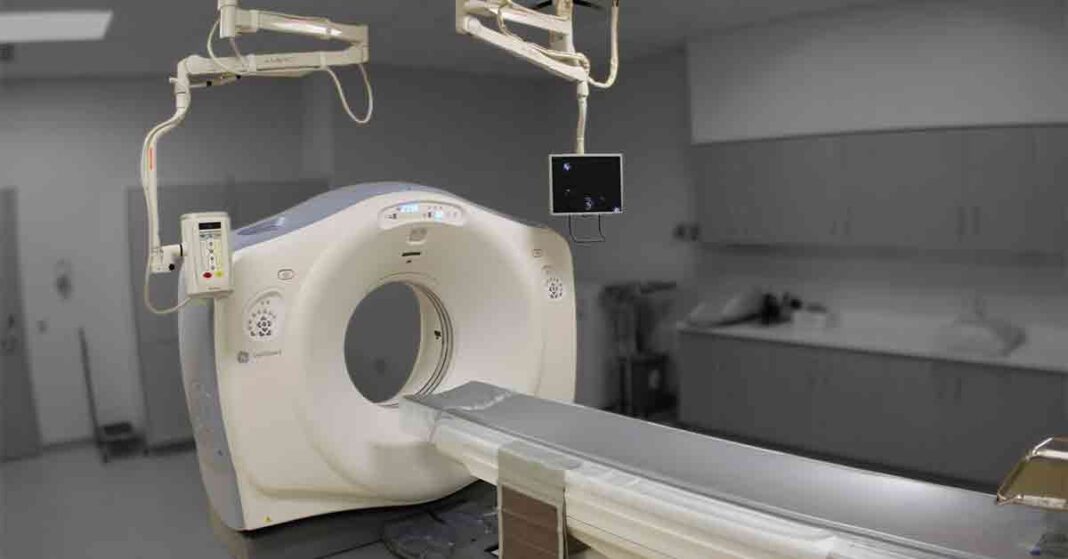
The tragedy began on October 16, 2024, when Ms Sharp attended the hospital for a routine CT scan to check for potential blood clots. After receiving an intravenous injection of Omnipaque, she suddenly suffered a cardiac arrest inside the scanner. Although doctors successfully resuscitated her and moved her to intensive care, clinicians suspected a severe allergic reaction and ordered specialist tryptase blood tests to investigate the cause. Because the facility had to send the samples to an external laboratory, the results were not immediately available.
By November 18, Ms Sharp’s condition had significantly improved, and she was preparing to be discharged home. However, doctors noticed a drop in her hemoglobin levels, which can indicate internal bleeding, and ordered a follow-up CT scan of her chest, abdomen, and pelvis. Unbeknownst to the treating team, the tryptase results indicating a likely anaphylactic reaction had already been returned. Because the findings were not properly flagged or communicated, she was given Omnipaque once more, triggering a second cardiac arrest.
Because a DNACPR (Do Not Attempt Cardiopulmonary Resuscitation) order was in place during her hospital stay, resuscitation was not attempted following the second cardiac arrest. Ms Sharp’s death was initially certified as resulting from natural causes, with clinicians believing she had suffered a heart attack. Medical staff had initially questioned whether the contrast dye was responsible because she had tolerated it during previous procedures. Her body was subsequently cremated before the full circumstances surrounding her death became clear.
The truth only emerged after a concerned relative raised questions about the circumstances of her death, prompting the hospital trust to conduct an internal review and seek expert advice. Consultant immunologist and allergy specialist Dr Leman Mutlu reviewed the evidence and concluded that it strongly supported fatal anaphylaxis caused by Omnipaque. In a statement read at the Maidstone inquest, Dr Mutlu noted that a test requested around the time of the first cardiac arrest showed a significant rise in tryptase levels, a finding consistent with anaphylaxis.
The inquest revealed that the critical laboratory findings were never added to key patient summaries, were not routinely followed up as Ms Sharp moved between wards, and were not effectively communicated to all members of her care team. Recording a conclusion of accidental death, Coroner Katrina Hepburn noted that while the scan had been requested with the intention of helping diagnose and treat Ms Sharp’s condition, the contrast agent ultimately led to fatal anaphylaxis. Addressing the unusual circumstances of the case, Hepburn also noted that the death had already been registered as a natural cause and therefore had not initially been referred to the coroner.
East Kent Hospitals University NHS Foundation Trust has since issued a formal apology to the family and implemented several safety improvements aimed at preventing a similar tragedy. A spokesperson for the trust said: “We are deeply sorry for the death of Mrs Sharp, and our thoughts remain with her family. We fully accept the conclusion and have made important improvements.” The trust said it now has faster access to allergy testing, clearer allergy alerts on patient records, stronger handover procedures to ensure critical test results are reviewed, and updated anaphylaxis guidance displayed throughout CT departments. Lessons from the case have also been shared across clinical teams.
We extend our sincere condolences to the family of Ms Sharp, who are only now learning the truth about her passing.
Contrast media reactions are extremely rare, but they do occur. If you are concerned you might be sensitive to these dyes, discuss your concerns with your allergist, who may recommend testing.