
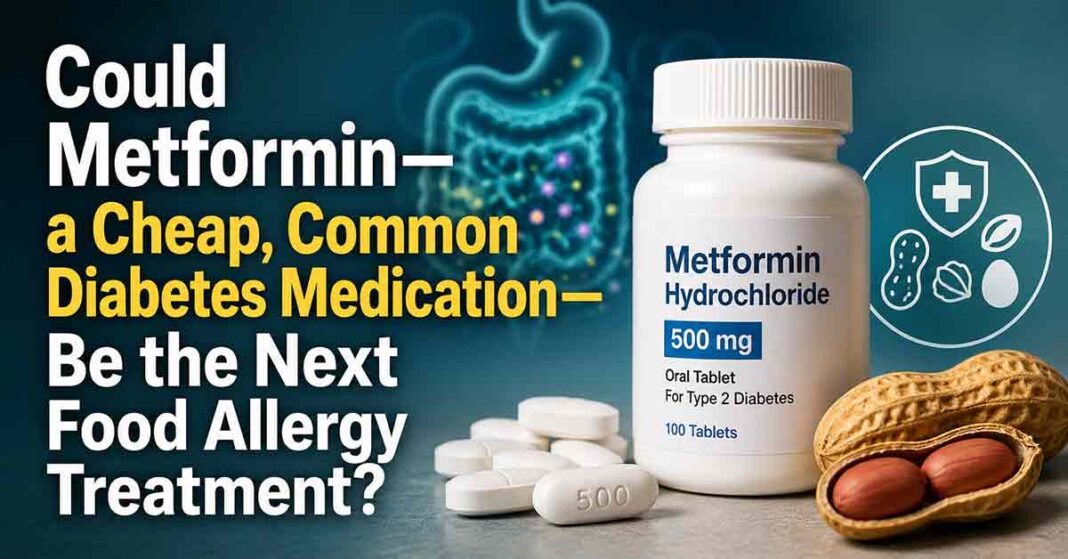
A new pilot study supported by the Food Allergy Fund is exploring whether metformin, a widely prescribed medication primarily used for type 2 diabetes, could be repurposed as a treatment for food allergies. Focusing initially on patients with peanut allergy, the research marks a significant step in a broader drug repurposing initiative designed to identify affordable, accessible therapies for allergic diseases.
The initiative comes at a critical time for patients seeking new management options. “Families have been waiting far too long for treatments,” said Ilana Golant, founder and CEO of the Food Allergy Fund. “While food allergy science has advanced, progress toward new therapies has often been painfully slow. Our drug repurposing program accelerates the development of affordable treatment options by building on medicines that already have existing safety data.”
The clinical trial is being led by researchers at the University of North Carolina: Dr Scott P Commins, William J. Yount Distinguished Professor of Medicine and associate chief for allergy and immunology, and Dr Yamini V Virkud, associate professor of pediatrics and director of UNC Food Allergy Initiative Bioinformatics. The investigative team is currently developing the clinical trial protocol in preparation for patient enrollment.
The scientific rationale for repurposing metformin stems from encouraging respiratory and preclinical data. Metformin has previously demonstrated anti-inflammatory benefits in asthma, including reductions in exacerbations, airway remodeling and inflammation. In preclinical allergy research, Commins highlighted that “in mouse models of food allergy, metformin added to the drinking water strongly and significantly decreased signs of an allergic response, predominantly through local effects on gut mast cells.” Emerging human epidemiological findings provide additional support for investigating the drug’s potential role in food allergy.
A major advantage of investigating metformin is its extensive clinical track record and accessibility. Unlike newly developed biologic therapies, metformin is an inexpensive, generic medication with years of safety data from its use in other diseases, and it is already approved for pediatric patients as young as 10 years old.
Under the proposed pilot trial design, peanut-allergic participants will undergo a baseline food challenge before being randomized to receive either metformin or a placebo daily for one year. At the end of the study, participants will undergo another food challenge to determine whether treatment changed the amount of peanut protein they can tolerate before experiencing an allergic reaction.
If successful, the implications could extend well beyond peanut allergy. Because metformin is not allergen-specific, Commins explained that it could potentially be used regardless of whether a patient is allergic to peanut, tree nuts, egg or other foods. Rather than requiring a treatment tailored to each individual allergen, an oral, needle-free medication that could address multiple food allergies could eventually provide an inexpensive and accessible new option for food allergy management.