
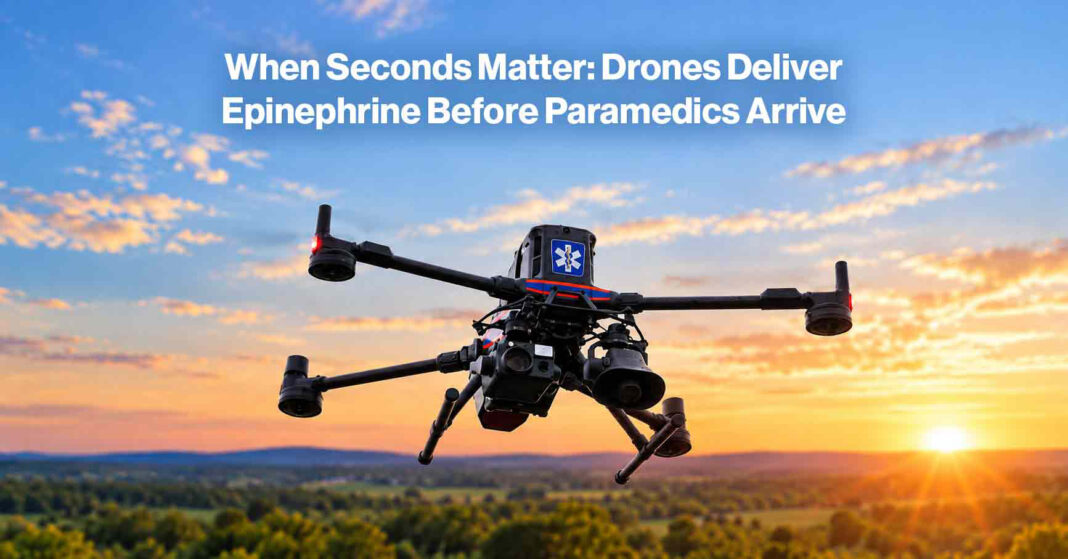
Peel Regional Paramedic Services (PRPS) has launched a pioneering medical drone pilot program designed to dispatch vital emergency treatments directly to bystanders before ground ambulances can arrive. Serving the community of Bolton, Ontario, the initiative aims to shave critical minutes off response times during acute, life-threatening incidents where immediate intervention can mean the difference between life and death. The drone response supplements rather than replaces the traditional emergency response, with paramedics continuing to be dispatched to the scene as usual.
A central highlight of the program is its ability to rapidly deliver epinephrine auto-injectors to individuals experiencing severe allergic reactions and anaphylaxis. Because anaphylaxis can progress rapidly and epinephrine is the first-line treatment, getting an auto-injector to a patient before paramedics arrive could provide crucial additional time during an allergic emergency.
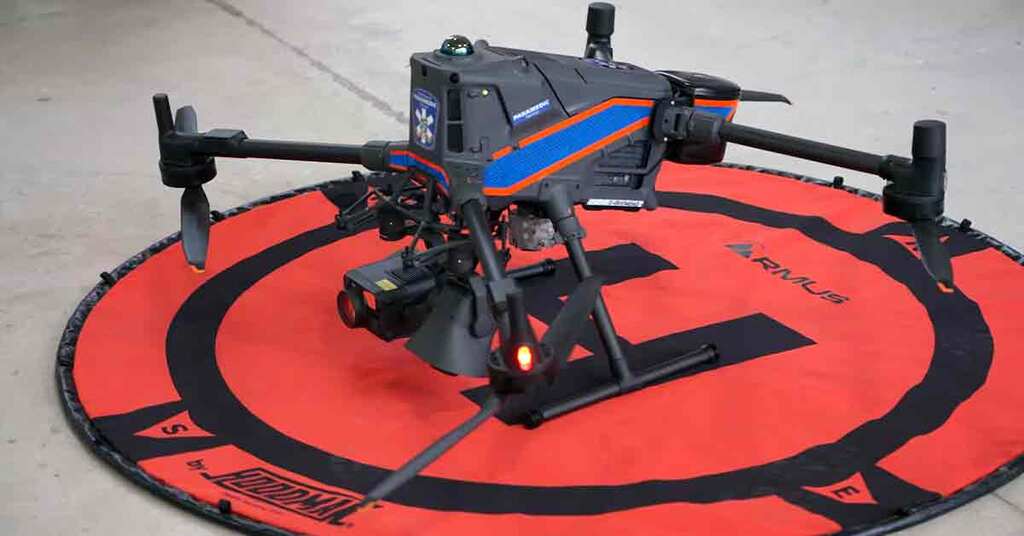
Beyond severe allergies, the unmanned aircraft can carry a dedicated suite of time-critical emergency supplies. These include automated external defibrillators (AEDs) for sudden cardiac arrest, naloxone kits for suspected opioid overdoses, and trauma supplies designed to control severe bleeding. When a qualifying 911 call is received, paramedics are dispatched normally while the drone may launch simultaneously, depending on factors including the caller’s location, weather conditions, timing, and availability. Once the equipment arrives, a dispatcher or paramedic can provide real-time guidance by phone or video to help bystanders use the delivered supplies.
The pilot is operated directly by Peel Regional Paramedic Services rather than a commercial or third-party drone operator and is being conducted under a Special Flight Operations Certificate issued by Transport Canada. Instead of routinely landing at an emergency scene, the drone can hover overhead and lower its medical package into a safe, open area where a bystander can retrieve it. The approach allows potentially lifesaving equipment to bypass road traffic and reach patients while an ambulance is still en route.
Paramedic leadership emphasized that placing critical medical tools in the hands of the public earlier is the core philosophy behind the trial. “Peel paramedics are committed to delivering innovative, high-quality care that reaches people when and where they need it most. By integrating drone technology into our response model, we are putting life-saving tools like AEDs into the hands of bystanders faster – potentially minutes sooner than traditional response,” said PRPS Chief Brian Gibson, adding, “Our goal is simple: give every resident the best possible chance to save a life before paramedics arrive.”
The project builds on research conducted with Dr Sheldon Cheskes, Medical Director at the Sunnybrook Centre for Prehospital Medicine and an internationally recognized cardiac arrest researcher. Peel has been involved in drone-enabled AED research with Cheskes since 2017, including work examining their potential in rural, remote, and Indigenous communities across Ontario. “Early defibrillation is one of the most important factors in surviving cardiac arrest. This initiative is about getting AEDs to patients faster and strengthening the chain of survival, particularly in areas where access can be more challenging,” Cheskes said, adding that he is “proud to work together with Peel Regional Paramedic Services to improve health outcomes and save more lives in Peel.”
The pilot is supported by external grant funding and will help Peel evaluate how drone-delivered medical equipment can improve emergency response and bystander intervention. Peel notes that a person’s chance of surviving cardiac arrest decreases approximately 7% to 10% for every minute without defibrillation, underscoring the potential importance of getting an AED to the scene ahead of an ambulance. Any future expansion of the drone program across Peel will depend on the results of the pilot, ongoing safety analysis, community needs, and regulatory approval.