
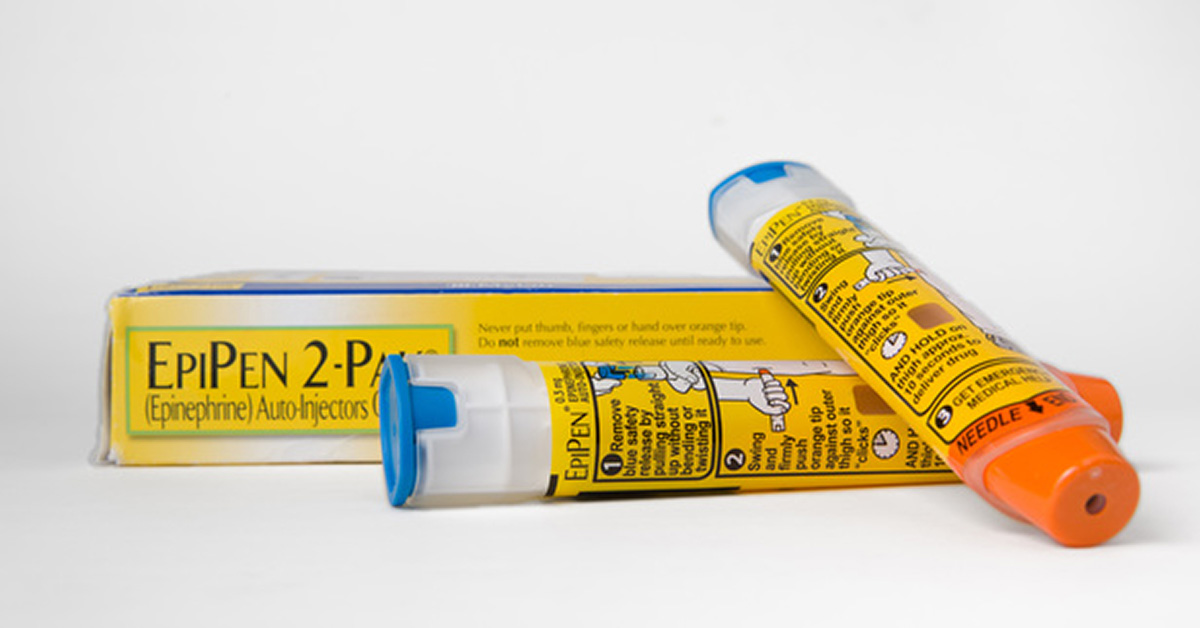
The impending expiration of the EpiPen® patent on September 11, 2025, is poised to reshape the market for epinephrine delivery systems. Mylan, which originally acquired the rights to the injector pen in 2007, has since faced significant criticism for increasing the price of the EpiPen and restricting patient access. These actions led to numerous lawsuits over the years, with the company being accused of overcharging drug wholesalers.
In 2020, Mylan merged with Pfizer’s off-patent medicine division, Upjohn, to create the company Viatris. Despite this change, legal challenges continued. In January 2025, Viatris (formerly Mylan) settled a lawsuit for $73.5 million with KPH Healthcare Services. The lawsuit alleged that Mylan, along with Pfizer and Teva Pharmaceuticals, conspired to delay the introduction of generic EpiPens to maintain its monopoly and inflate prices.
According to the lawsuit, the price of a two-pack of EpiPens soared from approximately $100 in 2008 to $600 between March 2014 and February 2025. This dramatic increase in cost made the life-saving medication inaccessible for many. The upcoming patent expiration is expected to address this issue by opening the door to new competitors and more affordable options.
Dr Stuart Grant, a principal consultant at Archetype MedTech, believes the patent expiration will lead to a significant increase in generic competitors. He states, “An increase in generic options is likely to lower prices considerably, expanding choices for consumers and healthcare providers. Greater availability of affordable options could improve access for individuals and families who previously found it too expensive.” Grant anticipates that Viatris will have to respond to this increased competition by either lowering prices or introducing new financial support programs to hold onto its market share.
Grant also notes that Viatris may explore strategies to maintain its market position, a practice known as “evergreening.” This could involve “developing next-generation devices, improving user experience, or applying for secondary patents.” He warns that these strategies could attract regulatory scrutiny depending on their market impact and intent.
The patent expiration will allow competitors to build upon the original EpiPen design, which was previously protected by a spring-loaded mechanism patent. Grant explains that companies will now be able to “use the original design as a foundation, incorporating enhancements such as better ergonomics, child-friendly features, or smaller form factors.” He concludes that this shift will pave the way for innovative technologies, like “Bluetooth tracking, dose reminders, and digital health integrations,” and may even allow for accelerated regulatory approval pathways, encouraging new companies to enter the market.
The market for emergency epinephrine devices was expanded with the recent introduction of the neffy® nasal spray, the first FDA-approved needle-free alternative to the auto-injector.