

The human gut is home to the Enteric Nervous System (ENS), often called the body’s “second brain.” This massive network of neurons embedded in the intestinal walls controls everything from digestion and motility to mood and pain. Despite its critical importance, the ENS has been notoriously difficult to study because its cells are so deeply hidden. Now, a groundbreaking new study from the Broad Institute of MIT and Harvard has finally produced the first high-resolution map, or “atlas,” of these gut neurons, revealing exactly how environmental factors like food allergies and gut bacteria physically rewire the system. This work, published in the journal Science, is a major step forward, laying the foundation for an entirely new approach to treating chronic conditions.
Researchers used advanced single-cell sequencing to meticulously map the different types of excitatory, inhibitory, motor, and sensory neurons found throughout the small and large intestines. For the first time, scientists could see the full diversity of these cells and, more importantly, how their identities and communication lines shift under stress. This detailed map isn’t just a static picture; it’s a dynamic blueprint showing which cells produce which signaling molecules, and which nearby cells have the receptors to “listen,” allowing the team to trace the communication networks that keep the gut running smoothly.
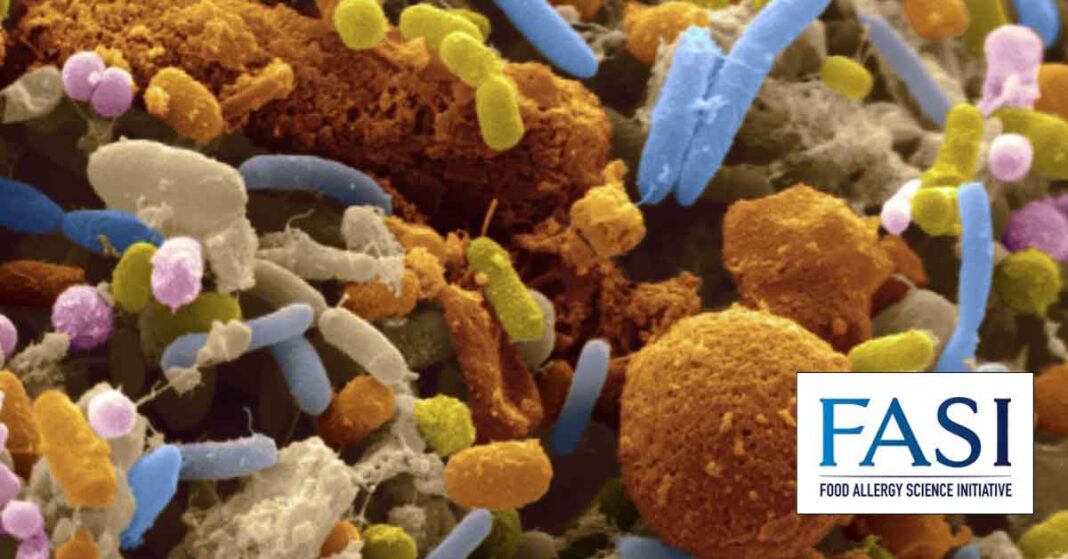
One of the most powerful revelations concerned the gut microbiome, the community of bacteria living in your intestines. The study found that gut microbes don’t just break down food; they directly influence the nervous system. For example, conditions that reduce microbial diversity, such as antibiotic use, caused a specific type of sensory neuron (called Grp-expressing neurons) to expand in the colon. This suggests that bacteria regulate crucial functions like gut motility—the speed at which food moves through you—by talking directly to these specialized nerve cells
Beyond environmental triggers, the team also focused on the “software” that governs these neurons. They identified key “master genetic switches”—the genes that control the differentiation and identity of gut neurons. By engineering an innovative CRISPR-based screening system, they pinpointed specific master regulators, such as Edf1 and Mitf. When these switches were deliberately toggled, it resulted in profound, measurable changes in the neuron populations and the speed of gastrointestinal transit. This discovery offers promising new targets for treating common gut motility disorders like Irritable Bowel Syndrome (IBS).
The research provided crucial insight into the nervous system’s role in food allergies. When the gut was exposed to food allergens, specific neurons producing a neuropeptide called neuromedin U (Nmu) were suppressed, and their entire gene expression profile was dramatically altered. This finding confirms that the allergic response is not simply an isolated immune reaction; the gut’s nervous system is an active and central participant in the painful and sometimes dangerous inflammation that follows allergen exposure.
Further analysis cemented the fact that the immune system is in direct, intimate communication with the neurons. The inflammatory chemicals released by the immune system—known as Type 2 cytokines (like IL-4 and IL-13) and leukotrienes—were shown to land directly on the Nmu-expressing neurons. These inflammatory signals act like a direct “shout” that activates the neurons during an allergic attack. Crucially, the researchers were able to block this specific signaling pathway, which successfully halted the nervous system’s contribution to the allergic response. This direct understanding of the inflammatory circuit means future drugs can be designed to block the signals from the immune system to the gut nerves, potentially preventing the nervous system from triggering the severe symptoms of a reaction, such as anaphylaxis.
Ultimately, this comprehensive atlas provides a much-needed blueprint for the next generation of precision medicine. The goal for therapeutic development is to move beyond generalized treatments, such as broad immunosuppression, and instead target only the specific neuronal populations or their genetic switches that have been improperly rewired by disease. By targeting the newly identified genetic switches or blocking the communication receptors on the Nmu-expressing neurons, researchers can develop highly selective therapies to calm the gut during a reaction. By focusing on regulating these nerve circuits, scientists hope to develop more effective, safer treatments for a range of conditions, including food allergies, metabolic issues, and chronic disorders of gastrointestinal motility.
The work was funded by the Food Allergy Science Initiative (FASI), the National Institutes of Health, the Crohn’s and Colitis Foundation, Food Allergy Research & Education (FARE), and the Klarman Cell Observatory.