
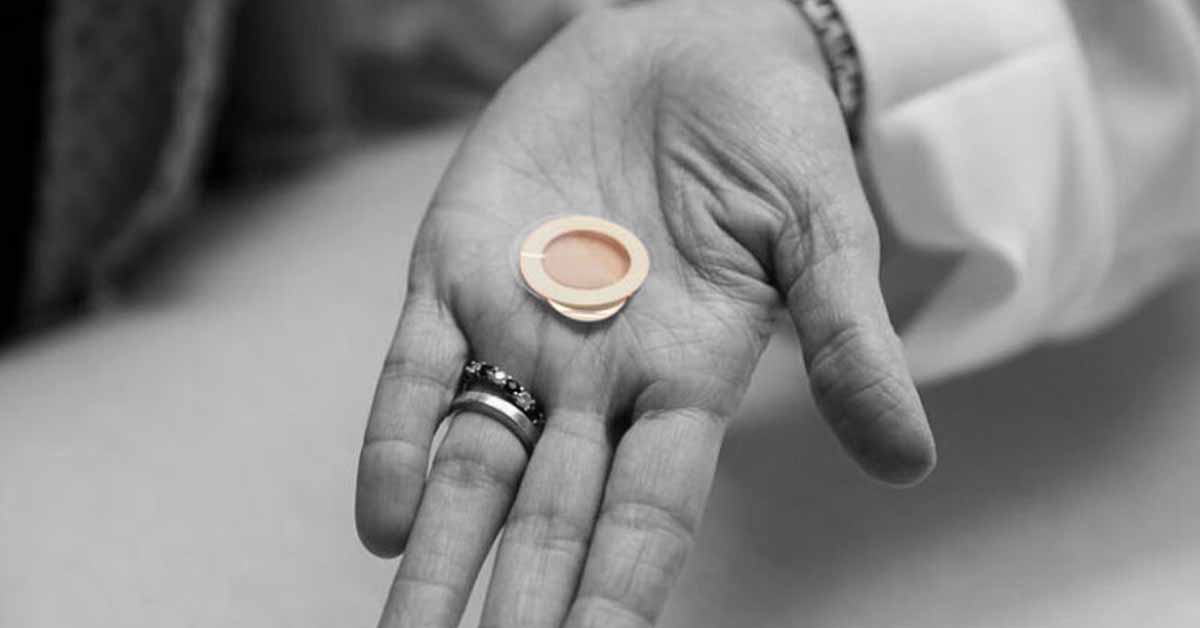
In a significant step forward for pediatric allergy treatment, DBV Technologies recently announced positive results from its Phase 3 “VITESSE” clinical trial. The study focused on Viaskin Peanut, a needle-free treatment for children aged 4 to 7 with peanut allergies. This new data suggests that the “peanut patch” could soon become a viable tool for families looking to protect their children from accidental exposure.
The VITESSE trial, the largest immunotherapy study ever conducted for food allergies, involved 654 children across several countries. For 12 months, participants wore either the Viaskin Peanut patch or a placebo patch daily. The goal was to see if the patch could desensitize the children’s immune systems enough to prevent severe reactions from small, accidental amounts of peanut protein.
The results were statistically significant: nearly 47% of the children who used the active patch met the criteria for a successful response, compared to only about 15% in the placebo group. In practical terms, many of the children treated with the patch were able to tolerate significantly more peanut protein than they could before the study, moving from a highly sensitive state to one with a much higher safety buffer.
The technology behind the patch, known as “epicutaneous immunotherapy” or EPIT, is unique in that it delivers microgram amounts of peanut protein through the skin without directly entering the bloodstream. By targeting immune cells in the skin’s upper layers, the treatment aims to “re-train” the body’s immune system to be less reactive. This non-invasive approach is particularly appealing for young children who may be fearful of needles or have difficulty swallowing oral medications.
Safety remains a top priority for parents, and the trial results were encouraging in this regard. The most common side effects were mild to moderate skin reactions at the patch site, such as redness or itching. Serious treatment-related allergic reactions were extremely rare, and the vast majority of participants—over 96%—adhered to the daily routine throughout the year-long study.
Medical experts in the field have expressed enthusiasm about the results, noting that peanut allergies place a massive emotional and logistical burden on families. Currently, most families rely on strict avoidance and the constant presence of emergency epinephrine. Having a well-tolerated, “wearable” treatment option could offer a new layer of protection and peace of mind for parents worried about hidden ingredients in school lunches or at birthday parties.
With these successful trial results in hand, DBV Technologies plans to submit its official Biologics License Application to the US Food and Drug Administration (FDA) in the first half of 2026. If approved, the Viaskin Peanut patch would represent a major milestone in food allergy care, providing the first skin-patch therapy to help young children live more safely in a world where peanuts are often hard to avoid.