
A new clinical trial published in JAMA Network Open suggests that monitoring transepidermal water loss (TEWL) may improve the safety of peanut allergy tests for young children. Researchers from the University of Michigan found that using TEWL as a “stopping criterion”—a signal to end a test early—could reduce the rates of severe allergic reactions. This approach offers a potential new safeguard for the gold-standard diagnostic tool, the oral food challenge (OFC).
An oral food challenge typically involves giving a child increasing amounts of an allergen under strict medical supervision to see if a reaction occurs. While effective, the risk of anaphylaxis remains a major barrier for both parents and clinicians. The study aimed to determine whether measuring the skin’s barrier function in real time could help detect early physiological signs of a reaction before it escalates.
The trial included 40 children between the ages of 6 months and 5 years with a history of clinical peanut reaction along with positive allergy testing. Participants were divided into a control group and an intervention group. In the intervention group, doctors were instructed to stop the peanut challenge if they observed a TEWL increase of 1 g/m²/h alongside a single objective allergic symptom. According to the study, “Using WAO criteria, only 13% of children in the intervention group developed anaphylaxis compared with 57% in the control group.”
The results showed a clear potential clinical benefit for the TEWL-guided approach. Beyond the lower rates of anaphylaxis, the severity of the reactions that did occur appeared reduced. Epinephrine use was also lower among children who reacted in the intervention group (50% vs 86% in the control group), although this difference did not reach statistical significance in this small pilot study. These findings suggest TEWL may serve as an early indicator of an evolving allergic reaction.
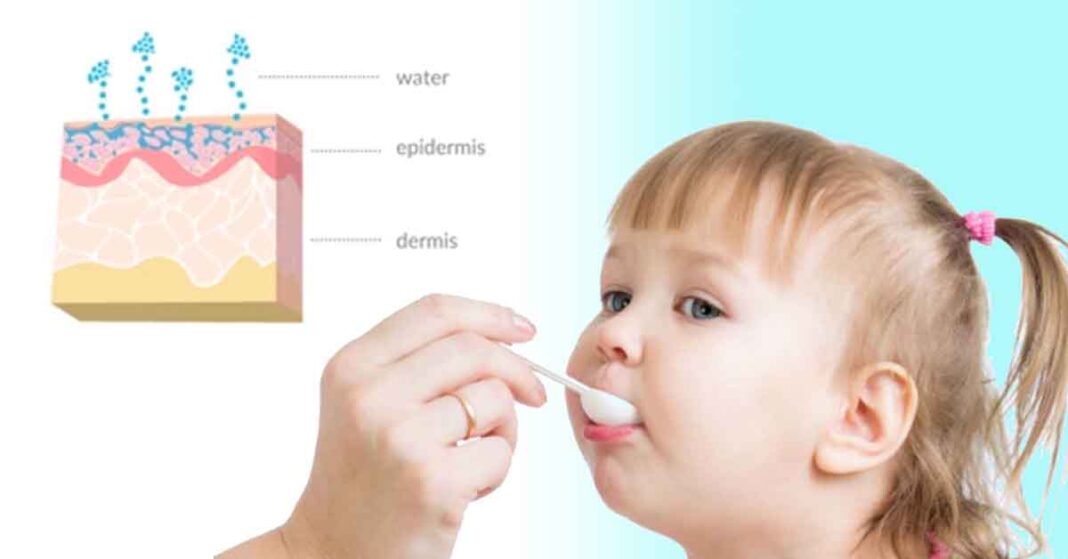
The technology works by using sensitive humidity and temperature sensors to measure the rate at which water evaporates from the skin. During allergic reactions, TEWL was observed to rise dynamically, indicating disruption of the skin barrier. As the researchers noted, “The pilot study demonstrates that TEWL rises dynamically during food reactions and has potential as an early warning measure to prevent severe allergic responses during OFCs.”
Despite the promising results, the researchers highlighted several limitations that must be addressed before the method is widely adopted. The study was conducted at a single center with a relatively small sample size, and the current TEWL devices are corded and not yet optimized for a fast-paced clinical environment. Additionally, baseline differences between groups—including smaller peanut skin test wheals in the intervention group—may have influenced the findings.
Looking ahead, the team at the University of Michigan is working on developing more portable, user-friendly technology for future use. They emphasized that larger, multicenter trials are necessary to confirm these findings across different allergens and age groups. Ultimately, the authors concluded that “TEWL-guided OFC may improve safety and accessibility,” pointing toward a future where food allergy testing could become safer and less stressful for families.
Oral food challenges are the most accurate way to diagnose food allergies—but they can be stressful because of the risk of a severe reaction. This study suggests there may be a way to make these tests safer by identifying early warning signs before symptoms escalate.
It’s important to note that this approach is still experimental. The study was small and focused only on peanut allergy in young children, so it’s not yet something you’ll see in routine clinical practice. Larger studies are needed to confirm this method works across different foods and age groups.
For now, families should know that food challenges are already performed under close medical supervision, with trained staff ready to treat reactions immediately. If your allergist recommends an oral food challenge, don’t hesitate to ask about how safety is managed and whether new monitoring approaches like this are being studied at your center.