
The future of no-cost preventive care under the Affordable Care Act could face renewed scrutiny as health officials, including Health Secretary Robert F Kennedy Jr, signal interest in revisiting the role of the US Preventive Services Task Force (USPSTF). Composed of 16 experts, the task force is working on draft recommendations regarding autism screening in young children; breast cancer risk assessment and drugs to reduce risk; and counseling on early allergen introduction to prevent infant food allergies. The Wall Street Journal reported last summer that Kennedy was planning to remove all 16 task force members because he considered them too “woke.”
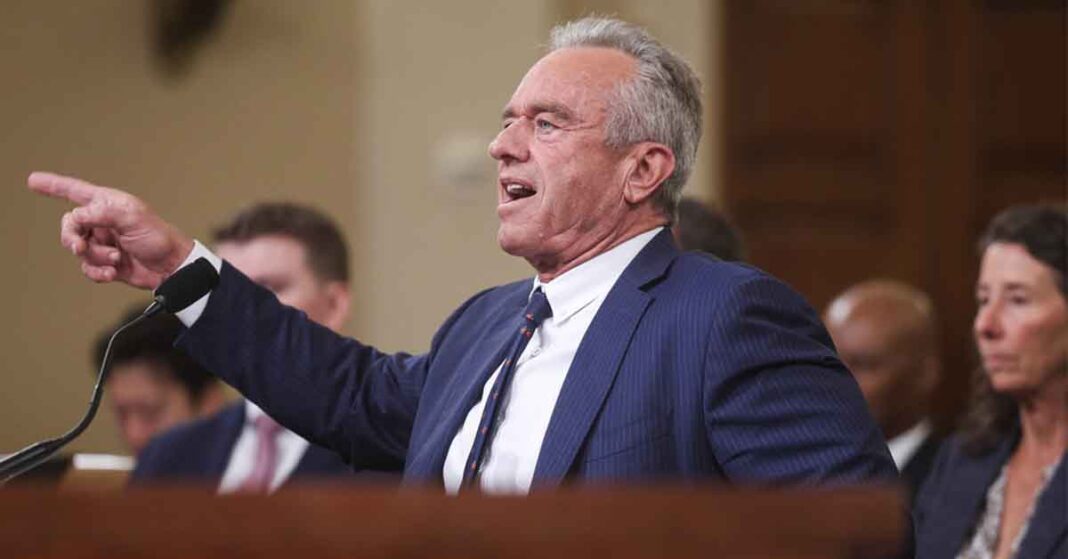
Appearing before the House Ways and Means Committee, Kennedy indicated that he intends to replace members of the Task Force—an unusual step that could reshape how preventive care recommendations are developed. Under current law, insurers are required to cover services recommended by this independent body—such as cancer screenings and certain preventive interventions—without charging patients out-of-pocket costs. However, some policymakers have begun to question whether those recommendations should remain tied to mandatory insurance coverage, citing concerns about consumer choice and premiums.
“We’re now bringing new members on who have a clear mission,” Kennedy told lawmakers Thursday, adding that the task force will have more frequent meetings and transparency.
Central to the discussion is the Task Force’s influence over what insurers must cover. Critics argue that an unelected panel plays a significant role in shaping coverage requirements, while supporters maintain that its evidence-based recommendations ensure broad access to preventive care. This debate reflects a broader tension between efforts to expand healthcare flexibility and the goal of maintaining standardized, science-driven coverage.
While the USPSTF does not currently issue recommendations specific to food allergy treatments, changes to its composition and authority could have downstream implications for the allergy community. Preventive care frameworks often influence coverage decisions for screenings, early interventions, and emerging therapies—areas that are increasingly relevant as food allergy research advances.
Some lawmakers have expressed interest in exploring legislative changes that could make USPSTF recommendations optional for insurers rather than a federal requirement. While no sweeping overhaul has been enacted, the concept of allowing more “flexible” insurance designs has gained traction in certain policy circles. Such changes, if pursued, could shift more decision-making authority to insurers and potentially to states.
Patient advocacy groups and public health experts have reacted with concern, warning that even modest cost-sharing could discourage individuals from seeking preventive care. This concern extends to families managing chronic conditions like food allergies, where access to early diagnosis, specialist care, and preventive strategies can play a critical role in long-term outcomes. Research has consistently shown that out-of-pocket costs can reduce utilization of screenings for conditions like breast and colorectal cancer, potentially leading to later diagnoses and worse outcomes.
At the same time, Kennedy’s remarks about replacing Task Force members have raised additional questions about the independence of the body and how future recommendations might be shaped. Questions about transparency, methodology, and the balance between expert guidance and policy priorities have become part of the conversation, highlighting an emerging divide between policymakers and elements of the public health community.
Legal experts note that any significant change to the preventive services mandate—or to the structure of the Task Force itself—could face challenges, given the provision’s history within the ACA and prior court scrutiny. The legal and regulatory pathway for altering these requirements remains uncertain and would likely depend on both legislative action and judicial interpretation.
As the debate continues, the future of one of the Affordable Care Act’s most widely used provisions remains unclear. While some policymakers frame potential changes as a way to increase flexibility and competition, others warn they could undermine access to essential preventive services—including those that may indirectly affect how allergic conditions are identified, monitored, and managed. For now, patients, providers, and insurers are watching closely to see whether these discussions translate into concrete policy changes.