
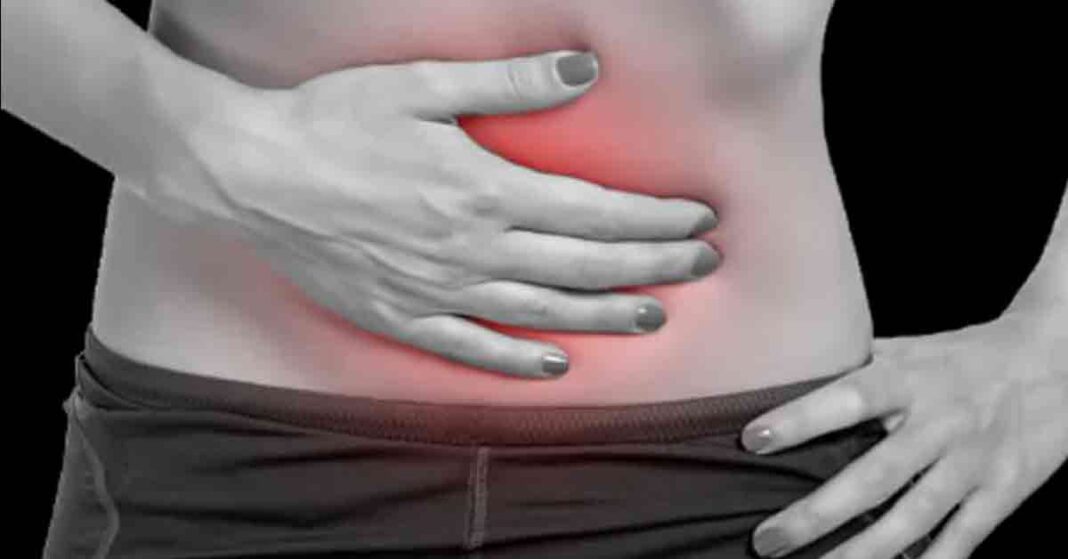
A new study published in The Journal of Immunology suggests that differences in the gut microbiome can influence intestinal permeability—often called “leaky gut“—and contribute to the severity of food allergic reactions. While the frequency and severity of food allergies have climbed over recent decades alongside modern lifestyle shifts, how specific microbial communities alter the immune cells driving these reactions has remained unclear.
The investigation was led by Dr Alexa Weingarden, an assistant professor at the University of Minnesota, who was prompted by unexpected variations in laboratory experiments. “When I began noticing differences in the food allergy model I was working with, in mice that were supposed to be genetically identical, my first instinct was to examine whether differences in gut microbial communities could be responsible,” she noted. To explore this, researchers induced food allergies in two groups of mice harboring distinct baseline microbiomes.
When exposed to allergens, one group exhibited mild symptoms while the other suffered more severe reactions, including increased diarrhea and greater intestinal permeability. A damaged intestinal barrier can allow partially digested food, bacteria, and toxins to cross into the bloodstream, while increased intestinal permeability and allergen absorption have been linked to oral anaphylaxis. Analyzing immune profiles revealed that mice with severe allergies had elevated levels of Th2 cells associated with food-allergic anaphylaxis and reduced numbers of regulatory T cells (Tregs), which normally help control and moderate immune responses.
The findings provide a more nuanced understanding of the relationship between modern environments and immunity. “It’s long been suspected that changes to gut microbial populations could be driving an increase in allergies and autoimmune disease (the so-called hygiene hypothesis),” Weingarden explained. “I think our work moves this idea forward in two ways: first, that it’s not so simple as ‘cleanliness’, since we saw differences between two groups of mice raised under the same level of ‘cleanliness’ (specific pathogen-free). Second, that these microbial differences don’t just change the behavior of the T cells that recognize microbes but also those T cells that are reacting to food allergens.”
To test whether the heightened allergic response could be transmitted, the team housed the mild and severe groups together. Following cohabitation, mice that initially showed mild allergies acquired certain bacteria from their cagemates, and their gut microbiomes shifted to more closely resemble those of the severely allergic group. Their proportion of Treg cells decreased while Th2 cells increased, and they developed allergen-induced diarrhea at the same rate as the severely allergic mice.
These results suggest that gut bacteria can influence both intestinal barrier integrity and food-specific immune responses. “We propose a model wherein microbial composition affects gut permeability, in turn affecting food allergen uptake in the intestine,” the study authors stated. Uncovering these cellular pathways could open doors to microbiome-targeted interventions. As Weingarden highlighted, “finding a specific microbe or microbial metabolite that decreases gut permeability could be a new way to reduce severe reactions in food allergy.”
Looking ahead, the researchers aim to analyze gut metabolites to determine why microbial differences alter T-cell and allergic responses. “We’re also interested in understanding how a change in gut barrier changes the behavior of food-specific T cells—is it simply that more of the allergen can get through? Or does this reflect a difference in how the allergen is processed and presented to the T cells?” Weingarden concluded. Beyond food allergies, deciphering this gut-barrier-immune dynamic could offer valuable therapeutic insights into other disorders involving food antigens, including celiac disease.
- “Leaky Gut” Microbes May Worsen Food Allergies — Technology Networks
- Gut microbial composition modulates endogenous food-specific CD4+ T cells in food allergy — The Journal of Immunology