
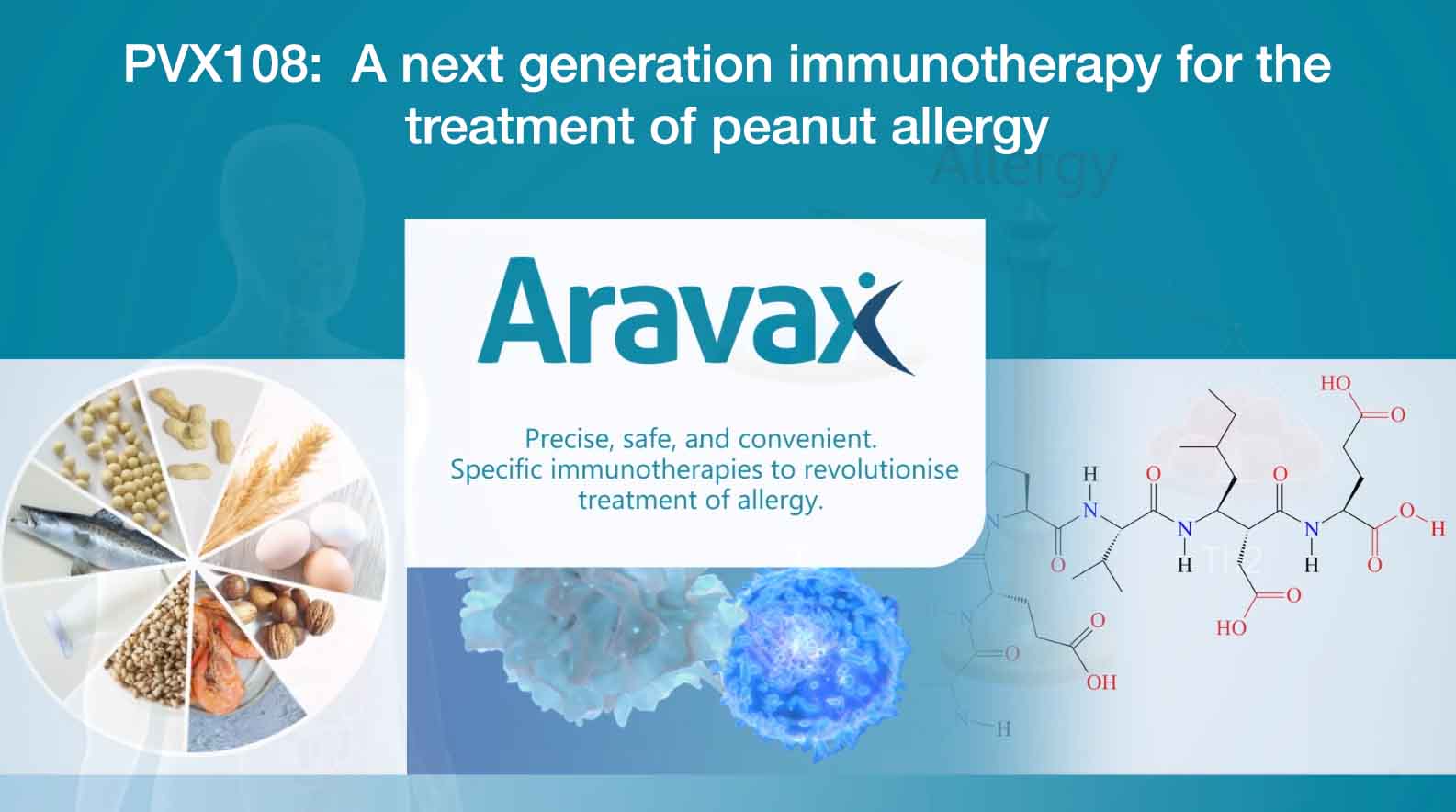
Biotech company Aravax announced on August 3, 2026, that the US Food and Drug Administration (FDA) has granted Fast Track designation to its experimental peanut allergy treatment, PVX108. Unlike immunotherapies that expose patients to whole peanut proteins, PVX108 uses small synthetic protein fragments designed to retrain peanut-specific immune responses while minimizing the risk of triggering an immediate allergic reaction during treatment.
The FDA’s Fast Track program is intended to support the development and review of medicines for serious conditions with significant unmet needs. The designation allows Aravax to communicate more frequently with the FDA and makes PVX108 eligible for mechanisms such as rolling review. It may also qualify for Accelerated Approval or Priority Review if the treatment separately meets the requirements for those programs. Fast Track status does not guarantee approval or establish when the treatment might become available.

Highlighting what the designation could mean for the program, Dr Pascal Hickey, CEO of Aravax, stated: “There remains a critical need for effective new treatments for food allergy and we believe PVX108 has the potential to offer a safer, more convenient and disease modifying treatment for the millions affected by peanut allergy worldwide. Receiving FDA Fast Track designation is a significant step for PVX108’s future development as being able to communicate more frequently with the FDA often leads to early drug approval and access by patients.”
To understand why this approach is different, it helps to look at how existing allergen immunotherapies work. These treatments generally expose patients to measured amounts of allergenic protein to increase the amount they can tolerate. Because the allergen itself is administered, dosing can provoke allergic reactions, including anaphylaxis.
Rather than using whole peanut proteins, PVX108 contains seven proprietary synthetic peptides representing portions of major peanut allergens. These peptides are designed to interact with peanut-specific T cells, which help regulate the allergic immune response, while avoiding the portions of the proteins capable of triggering immediate IgE-mediated reactions.
The goal is to reshape the immune system’s response to peanut without activating the pathways that cause symptoms such as hives, swelling, breathing difficulty, or anaphylaxis. PVX108 remains investigational, however, and it has not yet been shown conclusively to protect patients from reactions caused by accidental peanut exposure.
Aravax has also designed the treatment to be less burdensome than many whole-allergen approaches. PVX108 is administered as a monthly intradermal injection with a dose volume of 0.1 mL, or roughly two drops. It does not require a prolonged series of step-by-step dose increases, and the company says it is intended to avoid dosing-related lifestyle restrictions and extensive risk-management requirements.
PVX108 is being evaluated in a fully enrolled international Phase 2 trial involving peanut-allergic children and adolescents at sites in the United States and Australia. Earlier clinical studies found a promising safety profile and changes in peanut-specific immune markers, although those results did not establish that the treatment provides meaningful protection from peanut exposure. Aravax expects to report key Phase 2 data later in 2026.
PVX108 is the first in a series of planned treatments for food allergies to leverage Aravax’s proprietary peptide immunotherapy platform.