
For families managing multiple food allergies, the daily grind of avoiding cross-contamination can feel like walking through a minefield. Traditional treatments often focus on desensitizing a person to just one allergen at a time using relatively high doses of protein. However, a groundbreaking study recently published in Clinical and Translational Allergy suggests that a “less is more” approach—using very low doses to treat multiple nut allergies simultaneously—could be a safer and more practical path forward.
The study centered on “Very Low-Dose Oral Immunotherapy” (VLOIT), a method designed to address two major hurdles in allergy treatment: safety and complexity. Many children are allergic to more than one type of nut, but standard therapy typically requires large maintenance doses (around 300 mg of protein), which can frequently cause uncomfortable or even dangerous side effects. By lowering the target dose, researchers aimed to see if they could still provide protection while significantly reducing the risk of adverse reactions.
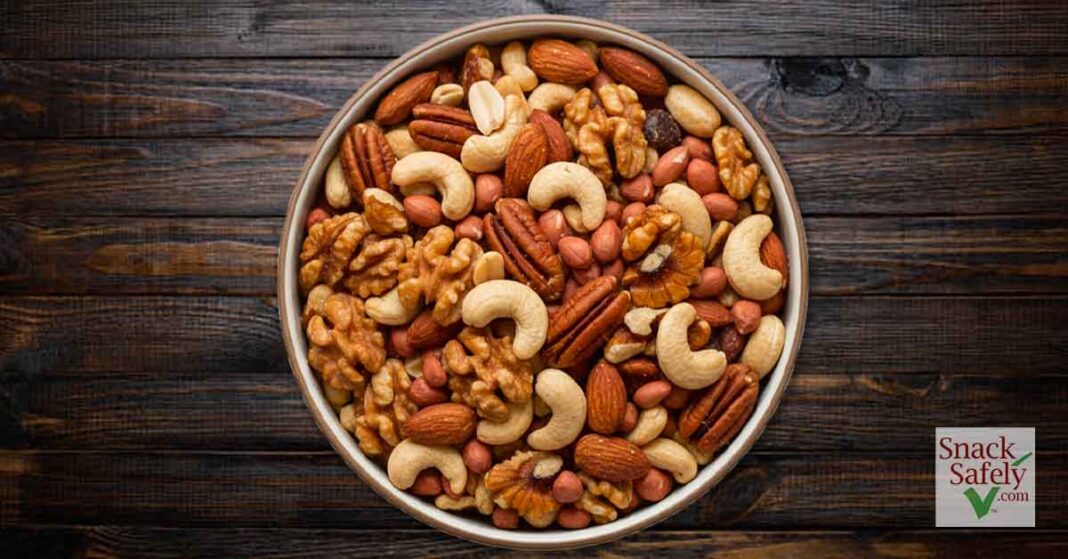
Researchers enrolled 18 children who were allergic to between two and five different nuts, including peanuts and various tree nuts. To start, the team confirmed each child’s specific allergy triggers through a supervised food challenge. Once the baseline was established, the participants began a regimen involving a mix of their specific “trigger” nuts. Instead of a massive dose, they started with just 4 mg of protein per nut—a tiny fraction of what is used in conventional treatments.
Over the course of 18 months, the children gradually increased their intake every two months, eventually reaching a maintenance level of only 30 mg of protein per nut. While this amount is small—roughly equivalent to a tiny sliver of a nut—the goal wasn’t necessarily to allow the children to eat peanut butter sandwiches freely. Rather, the intent was to build up a “safety net” that would protect them from severe reactions caused by accidental, trace-amount exposures in their daily lives.
The results were remarkably encouraging. By the end of the trial, the median amount of nut protein the children could tolerate jumped from a mere 10 mg at the start to a substantial 1,000 mg. An impressive 14 out of the 18 participants met the primary goals of the study, meaning they could either tolerate five times their original limit or at least 300 mg of the nut protein without a serious reaction. This suggests that even a “micro-dose” is enough to signal the immune system to stop overreacting.
Safety was the standout victory of this low-dose approach. Throughout the entire treatment period, not a single participant required an epinephrine injection. In traditional high-dose therapy, the frequency of side effects often leads to high dropout rates or the need for emergency medication. In this study, the gentler approach allowed the children to build up their tolerance steadily and safely, proving that you don’t need to consume a whole nut to change how your body responds to it.
Ultimately, this research offers hope for the 30% of allergic children who deal with multiple food triggers. By showing that a low-dose, multi-nut mix is both effective and exceptionally safe, the study paves the way for a more accessible form of therapy. For parents, this could mean fewer stressful clinic visits and, more importantly, a significantly lower risk of a life-threatening reaction from accidental ingestion.