
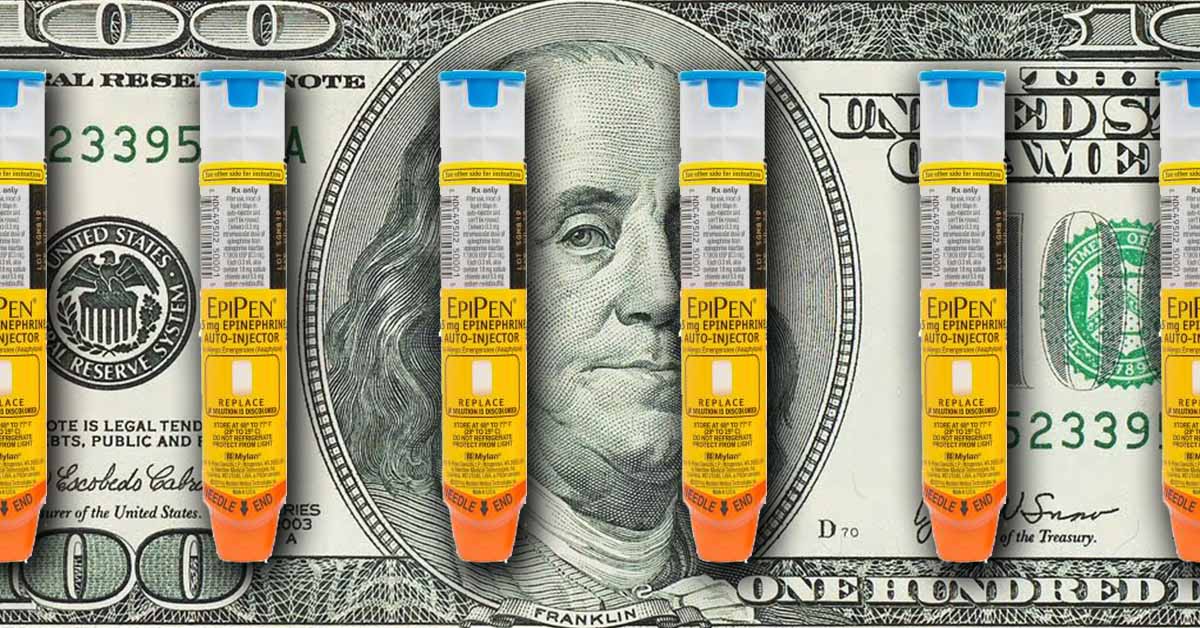
In a significant legal victory for consumer protection, Indiana Attorney General Todd Rokita announced a $6.25 million settlement on February 9, 2026, with pharmaceutical giants Viatris Inc. and Pfizer Inc. The agreement resolves an antitrust lawsuit filed in early 2025, alleging that the companies engaged in a coordinated conspiracy to inflate the price of EpiPens—a lifesaving device for those suffering from severe allergic reactions—by more than 600%.
The settlement marks a pivotal moment in the state’s ongoing efforts to curb “Big Pharma” practices. Attorney General Rokita emphasized the gravity of the misconduct, stating, “Some pharmaceutical companies have prioritized profits over patients. But by demonstrating that there are severe penalties for unlawful tactics to overcharge Hoosiers, we can deter this conduct in the future.” The funds are intended to address the financial harm inflicted on Indiana families and the state’s healthcare system.
The core of the legal challenge involved allegations that the companies violated the Indiana Deceptive Consumer Sales Act and the Medicaid False Claims Act. According to the complaint, Viatris (formed by the merger of Mylan and a Pfizer subsidiary) paid pharmacy benefit managers (PBMs) significant rebates to ensure EpiPen remained the exclusive choice on insurance formularies. This strategy effectively blocked lower-cost competitors from entering the market, leaving consumers with no affordable alternatives.
Furthermore, the lawsuit highlighted a tactical shift in which the companies allegedly paid doctors to endorse the “medical necessity” of a two-pack of EpiPens. This allowed the manufacturers to stop selling individual units, forcing families to buy more medication than they might have otherwise needed at a significantly higher price. This shift occurred as the list price for a two-pack rose from roughly $100 in 2007 to over $600 by 2016.
The Indiana settlement follows a long history of national controversy surrounding the EpiPen. In 2016, then-Mylan CEO Heather Bresch faced a grilling from Congress, where she defended the price hikes as necessary for product improvements and awareness programs. During her testimony, Bresch famously described the EpiPen as “my baby” while attempting to deflect blame onto the complexities of the US healthcare system, saying she wished the company had “better anticipated the magnitude” of the public’s outrage.
Additional historical sources reveal that the 2016 price gouging scandal was not just about retail prices, but also government overcharges. In 2017, Mylan finalized a $465 million settlement with the US Department of Justice after it was discovered the company had misclassified the EpiPen as a generic drug for the Medicaid Drug Rebate Program. This allowed them to pay significantly lower rebates to the government despite the product’s brand-name dominance and high price tag.
Critics and lawmakers have long pointed to a lack of competition as the primary driver of these price spikes. During a 2016 House Oversight hearing, Chairman Jason Chaffetz noted that executive pay at Mylan had risen over 600% alongside the drug’s price, remarking that high compensation “doesn’t add up for a lot of people” while parents were struggling to afford a device that “better darn well be in your backpack” if a loved one has a life-threatening allergy.
The 2026 Indiana settlement is part of a broader “intensifying effort” by Rokita’s office to address drug affordability. The Attorney General is also litigating against Eli Lilly and other manufacturers over insulin price inflation, which he claims has increased by more than 1,000% over the past decade. “Pharmaceutical companies should not take advantage of Hoosiers,” Rokita asserted, signaling that the EpiPen victory is just one component of a larger strategy to hold the industry accountable.
Although the companies involved in the EpiPen settlement deny any wrongdoing, the financial penalty is a stark reminder of the legal risks of anti-competitive behavior. For Indiana consumers, the $6.25 million is a measure of restitution for years of being “held hostage” by inflated costs for a device many rely on to stay alive, marking another chapter in the long-running fight against pharmaceutical price gouging.
- Holding big pharma accountable, Attorney General Todd Rokita wins $6.25 million settlement following alleged conspiracy to inflate EpiPen prices — Indiana Attorney General
- Representatives Committee on Oversight and Government Reform — House Oversight Committee