

Scientists at Weill Cornell Medicine have uncovered a surprising “switch” in the gut’s immune system that could eventually lead to new treatments for inflammatory bowel diseases, including Crohn’s disease and ulcerative colitis, as well as for food allergies. The study suggests that the intestinal immune system operates under a very different set of rules than immune responses elsewhere in the body, opening the door to therapies aimed at restoring immune tolerance rather than broadly suppressing inflammation.
To explain the discovery, researchers described the immune system as normally requiring two separate activation signals, referred to as “Signal One” and “Signal Two.” In most parts of the body, both signals work together to activate immune responses. But in the gut, the scientists discovered the opposite effect: blocking the second signal while preserving the first actually increased the number of specialized regulatory immune cells that help maintain intestinal peace.
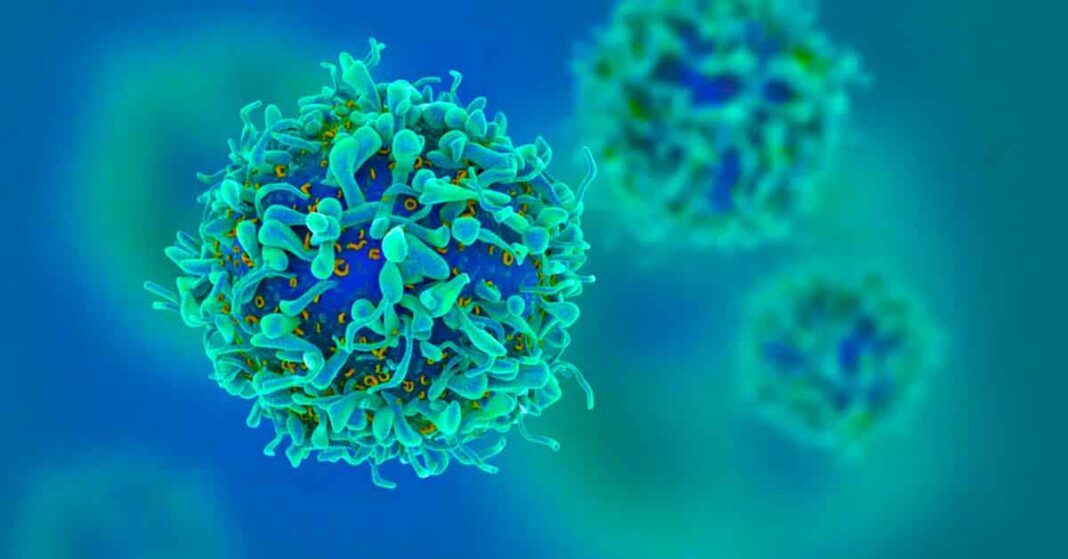
The research focused on RORγt+ regulatory T cells, or RORγt+ Treg cells, which help prevent the immune system from overreacting to beneficial gut bacteria and harmless food substances. Surprisingly, the researchers found that interrupting the usual “Signal Two” interaction caused these protective cells to expand rather than shrink. This “inverse” response differs sharply from how regulatory T cells behave outside the intestine and highlights the unique biology of the gut immune system.
“We think this is a paradigm-shifting discovery that will lead to new treatment approaches for chronic inflammatory disorders of the intestine,” said Gregory Sonnenberg, senior author of the study. The findings suggest scientists may someday be able to encourage the gut to naturally restore immune tolerance instead of relying solely on generalized immune suppression.
The team also investigated an existing FDA-approved drug called CTLA4-Ig, also known as abatacept, which blocks the “Signal Two” interaction. In preclinical experiments, the drug expanded these protective gut immune cells and reduced intestinal inflammation. However, the researchers noted that abatacept previously failed in inflammatory bowel disease patients, likely because many individuals with active disease lack the specialized RORγt+ antigen-presenting cells needed to provide the critical “Signal One.”
Lead researcher Mengze Lyu said the therapy may still prove useful if those missing cells can be restored or if treatment is given during remission, when the cells are still functional. The researchers believe this more targeted strategy could eventually offer an alternative to treatments that suppress the entire immune system and increase infection risk.
The team is now exploring whether the same immune “switch” could help treat other gastrointestinal inflammatory conditions, including food allergy and complications linked to cancer immunotherapy. By learning how the gut’s immune system uniquely maintains tolerance, scientists hope to develop therapies that help the intestine regain balance with fewer systemic side effects.
- Scientists Flip Immune System “Switch,” Uncover Surprising Path To Stop Gut Inflammation — SciTechDaily
- B7 costimulation antagonizes RORγt+ regulatory T cells and immune tolerance in the intestine — Journal of Experimental Medicine