
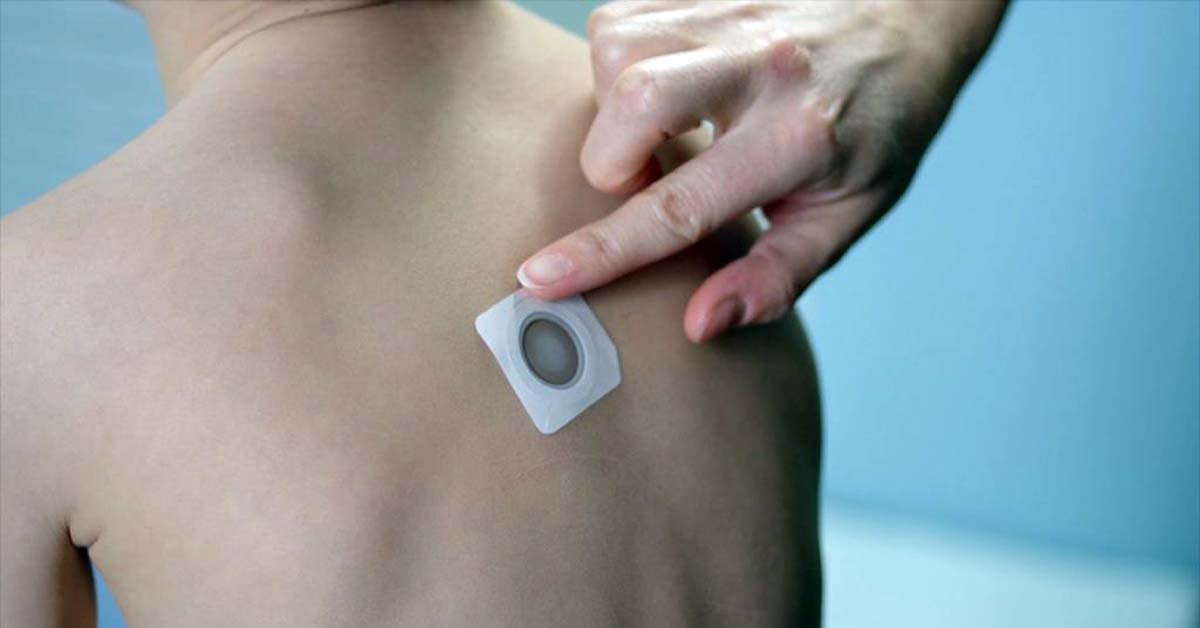
At the 2026 American Academy of Allergy, Asthma, and Immunology (AAAAI) Annual Meeting in Philadelphia, DBV Technologies presented compelling new data from its Phase 3 VITESSE clinical trial. The study assessed the efficacy and safety of the Viaskin® Peanut patch, a non-invasive epicutaneous immunotherapy (EPIT) for children aged 4 to 7 with peanut allergies. The results reinforce the patch’s potential as a transformative treatment, showing a significant increase in the amount of peanut protein participants could tolerate before experiencing an allergic reaction.
The VITESSE study, recognized as the largest EPIT trial in peanut allergy to date, met its primary endpoint. According to the data, 46.6% of children treated with the Viaskin Peanut patch met the criteria for treatment response after 12 months, compared with 14.8% in the placebo group. This statistically significant difference exceeded the pre-specified threshold for the study’s success, confirming the robustness of the treatment’s effect across the tested patient population.
One of the most striking highlights from the presentation was the high percentage of children who saw an improvement in their “eliciting dose“—the amount of peanut protein that triggers a reaction. Approximately 83% of children using the patch increased their eliciting dose by at least one level during a double-blind, placebo-controlled food challenge. Furthermore, 60% of the treated group increased their tolerance by at least two doses, a sharp contrast with the 23% observed in the placebo group.
The data also revealed a concerning trend among those not receiving the active treatment. While the treated group showed marked improvement, 24% of children in the placebo group saw their eliciting dose decrease over the 12-month period, indicating they had become more sensitized to peanuts. Dr David Fleischer, Global Principal Investigator of the VITESSE study, noted the clinical importance of these findings, stating, “The increases in eliciting dose seen are clinically meaningful and may reflect a reduced risk of an allergic reaction. Conversely, nearly four times as many children on placebo saw their eliciting dose decrease, becoming more sensitized over the twelve-month period.”
Beyond efficacy, the trial underscored the safety profile of the Viaskin Peanut patch. The treatment was generally well-tolerated, with the majority of adverse events being mild-to-moderate skin reactions at the application site. These findings are consistent with previous studies and support the patch’s design as a user-friendly, daily-wear option. Dr Fleischer added that these results “not only support the VIASKIN Peanut Patch as a potential treatment option for peanut-allergic children, if approved, but also reinforce the importance of prioritizing a proactive treatment for this specific patient population.”
DBV Technologies views this data as a critical foundation for its upcoming regulatory steps. Pharis Mohideen, MD, Chief Medical Officer of DBV Technologies, emphasized the reliability of the results, saying, “We believe the additional data presented today demonstrate that the VIASKIN Peanut Patch consistently induced desensitization among subjects, irrespective of study subgroup or baseline characteristics.” He further highlighted the convenience of the technology, noting that it “would provide caregivers with a non-invasive option that fits into daily activities.”
With the successful completion of the VITESSE Phase 3 trial and the presentation of these supplemental findings, DBV Technologies is advancing its regulatory strategy. The company announced plans to submit a Biologics License Application (BLA) to the US Food and Drug Administration (FDA) in the first half of 2026. If approved, the Viaskin Peanut patch could soon become a primary tool for families seeking to protect young children from accidental peanut exposure.